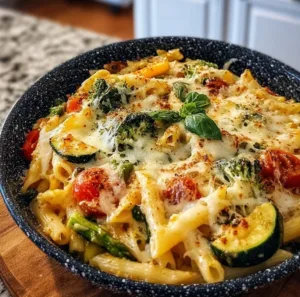
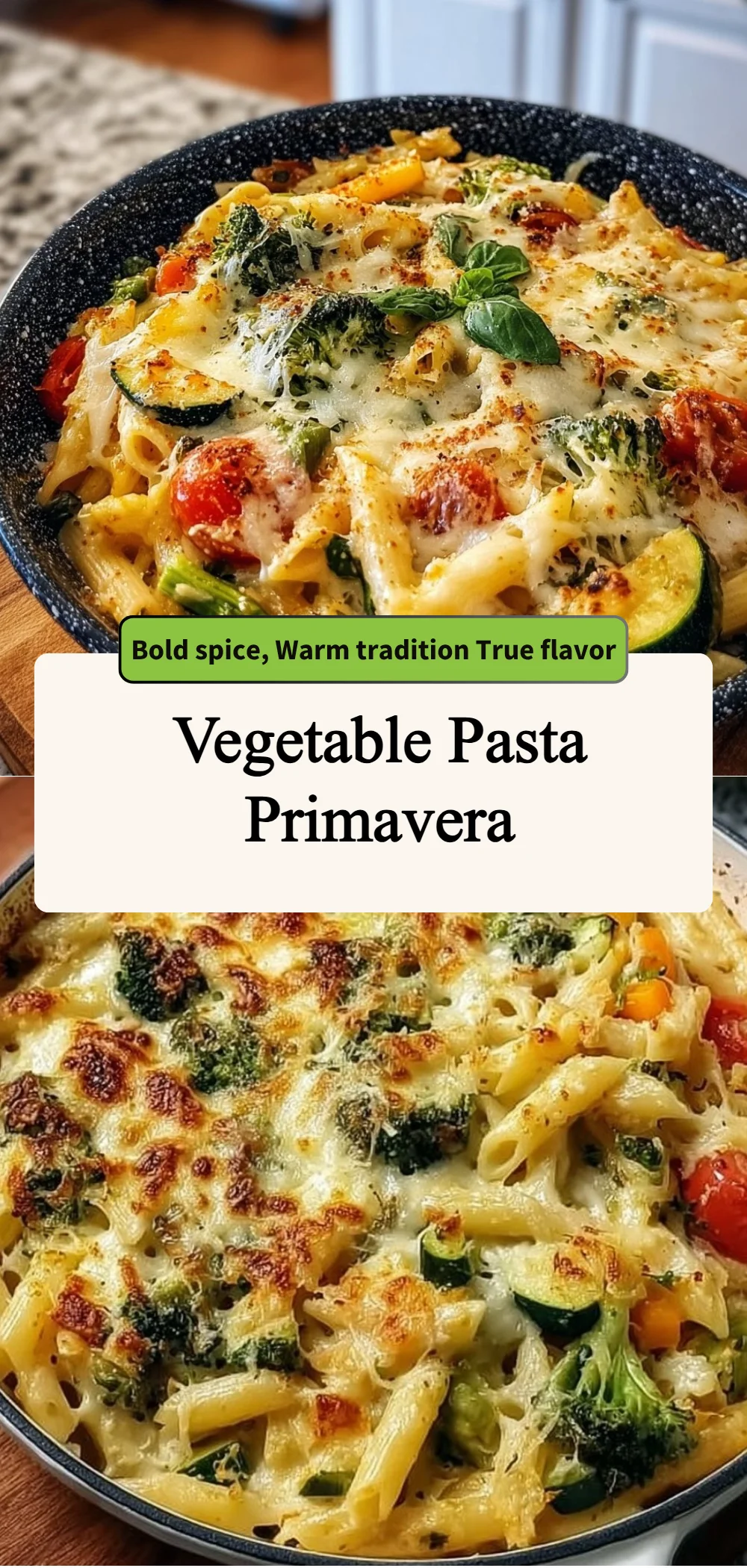
Vegetable Pasta Primavera Recipe
Bright Spring Pasta
INTRODUCTION
Hola! I grew up with a heart tied to bold, soul-warming flavors, and the kitchen felt like a classroom of joy where family stories simmered with every pot. Those early lessons taught me that simple ingredients lift spirits, which is why I keep returning to Vegetable Pasta Primavera when I want Vegetable Pasta Primavera’s color, comfort, and freshness. This Vegetable Pasta Primavera remembers mercados and quick weekday dinners, offering bright vegetables and herbs tossed with al dente pasta. If you love twists, try a comforting variation like a cheesy taco pasta recipe to switch up weeknight menus. Often shared.
Quick Recipe Overview
- Prep Time: 15 minutes
- Cook Time: 12 minutes
- Total Time: 27 minutes
- Servings: 4
- Difficulty: Easy
- Cuisine: Italian-inspired
- Best Season: Spring to early summer
Why This Dish Charms
- Vibrant flavor and texture. The vegetables keep a bright crunch that contrasts with tender pasta so every bite feels lively and satisfying.
- Simple and forgiving to make. Even if you are new to cooking, this Vegetable Pasta Primavera comes together quickly with pantry staples and a little attention.
- Perfect for a relaxed weeknight dinner. It feels special enough for guests yet casual enough for a midweek family meal.
- Light but nourishing comfort. The combination of olive oil, garlic, and fresh basil lifts the vegetables into a dish that feels both wholesome and indulgent.
Colorful Ingredients at a Glance
- 3 cloves garlic, minced
- 1 cup bell peppers (red, yellow, and green), sliced
- 1 medium zucchini, sliced
- 1 cup cherry tomatoes, halved
- 1 cup broccoli florets
- 1 cup asparagus, cut into 1-inch pieces
- Fresh basil leaves for garnish
- 12 oz pasta (spaghetti, fettuccine, or your preferred type)
- 2 tablespoons olive oil
- ½ teaspoon red pepper flakes (optional)
- Salt and black pepper to taste
- ¼ cup grated Parmesan cheese (optional)
Smart Ingredient Notes
- Garlic : Use fresh cloves for the best aromatic flavor. If you need a swap, 1/2 teaspoon garlic powder can work in a pinch but will be less vibrant.
- Bell peppers : Look for glossy, firm skins and bright colors. Roasted or charred peppers add a smoky layer if you want deeper flavor.
- Zucchini : Choose zucchini that is medium-sized for tender texture. Overly large zucchini may be watery, so slice and pat dry if needed.
- Cherry tomatoes : Ripe, fragrant tomatoes burst when cooked and make a light sauce. Substitute halved vine tomatoes if cherries are out of season.
- Broccoli and asparagus : Use fresh florets and crisp stalks for the best bite. Blanching briefly before sautéing helps preserve bright color and tenderness.
Step-by-Step Cooking Flow
- Bring a large pot of salted water to a boil. Add the pasta and cook according to package instructions until al dente. Reserve ½ cup of pasta water, then drain and set aside. (Technique note: Salted pasta water seasons the pasta from within and helps the sauce cling.)
- In a large skillet, heat olive oil over medium heat to prepare for sautéing the vegetables. (Use a wide skillet so vegetables cook evenly without steaming.)
- Add minced garlic to the skillet and sauté for about 1 minute, or until fragrant, being careful not to burn it. (Garlic burns fast; watch closely and lower heat if it browns too quickly.)
- Toss in the sliced bell peppers, zucchini, broccoli florets, and asparagus pieces. Stir-fry for about 5-7 minutes until the vegetables are tender but still crisp and vibrant. (Keep stirring and adjust heat to maintain a bright color and slight crunch.)
- Stir in the cherry tomatoes and cook for an additional 2-3 minutes until they begin to soften and release their juices. (The tomatoes will create a light, fresh pan sauce that ties the vegetables together.)
- Add the cooked pasta into the skillet with the sautéed vegetables. Pour in some of the reserved pasta water gradually to help create a light, cohesive sauce. (Start with a few tablespoons and add more until you reach the desired silkiness.)
- Sprinkle with red pepper flakes (if using), salt, and black pepper to taste. Toss everything together gently until well combined and heated through. (Taste and adjust seasoning; the heat of the pepper flakes can be balanced with a squeeze of lemon if desired.)
- If desired, add the grated Parmesan cheese and mix well until it melts into a creamy coating for the pasta and vegetables. (For a dairy-free option, swap with nutritional yeast or a splash of olive oil for richness.)
- Remove the skillet from heat. Garnish the Pasta Primavera with fresh basil leaves before serving warm. (Tear the basil to release aroma and scatter just before plating for the best fragrance.)
Pro-Level Technique Pointers
- Temperature control matters. Cook vegetables over medium to medium-high heat so they caramelize lightly without losing color or turning mushy.
- Use reserved pasta water wisely. The starchy water emulsifies with olive oil or Parmesan to make a glossy sauce that clings to pasta.
- Timing is everything with garlic. Add garlic early enough to flavor the oil but remove from high heat quickly to avoid a bitter taste.
- Layer textures and flavors. Toss in fresh herbs at the end and consider a splash of lemon juice to brighten the finished dish.
Flavorful Variation Ideas
- Vegan version: Omit the Parmesan and finish with a drizzle of extra virgin olive oil and a tablespoon of nutritional yeast for a cheesy note. Add a handful of toasted pine nuts for crunch and protein.
- Mild and family-friendly: Leave out the red pepper flakes and use sweet bell peppers with extra cherry tomatoes to create a naturally sweet sauce that kids will enjoy.
- Spicy and bold: Increase red pepper flakes, add a pinch of smoked paprika, and finish with a squeeze of lemon for bright heat. Toss in cooked spicy sausage alternative for meaty texture if desired.
- Regional twist: Stir in a spoonful of pesto or tapenade to shift the profile toward Ligurian or Mediterranean flavors, pairing beautifully with the spring vegetables.
Perfect Sides and Drinks
- Sides: Serve with a simple green salad dressed in lemon vinaigrette and a chunk of crusty bread to soak up any sauce. Roasted baby potatoes tossed with herbs also make a hearty companion.
- Drinks: A sparkling water with a squeeze of lime or a light herbal iced tea complements the freshness. For a non-alcoholic festive choice, try chilled pomegranate or apple spritz.
- Desserts: Finish with a light dessert like lemon sorbet, fresh berries with a dollop of whipped cream, or biscotti for a classic Italian touch.
Prep and Make-Ahead Guidance
- Prep: Trim and slice all vegetables ahead of time and store them in airtight containers in the fridge for up to two days. Mince garlic and keep it in a small covered dish to preserve aroma.
- Store: Assemble cooked pasta and vegetables together for short-term storage in an airtight container for up to 3 days. Keep fresh basil separate and add when reheating.
- Freeze: This dish is best fresh, but you can freeze cooked vegetables and pasta separately in portioned containers for up to one month. Thaw in the fridge overnight before reheating.
- Reheat: Gently reheat in a skillet with a splash of water or broth to loosen the sauce rather than microwaving straight from cold.
Plating and Serving Mood
- Presentation: Twirl pasta into shallow bowls and nestle vegetables on top to show off color and texture. Scatter basil leaves and a light grating of cheese or lemon zest for finishing sparkle.
- Cozy vibes: Serve family-style from the skillet at the center of the table to encourage sharing and conversation. Add candles or a simple herb centerpiece to make weeknight dinners feel special.
- Seasonal notes: Emphasize spring produce by using the freshest market finds, and vary the vegetable mix to match local availability for best flavor.
Little Kitchen Secrets
- Salt the cooking water generously. Pasta cooks in the flavored water, and a well-seasoned base makes the whole dish taste brighter.
- Keep vegetables slightly underdone. They will finish cooking with the pasta and sauce, preserving texture and color.
- Use high-quality olive oil. A good olive oil adds depth without needing heavy sauces or butter.
- Finish with acid and herbs. A squeeze of lemon and fresh basil at the end unlocks aroma and lightens the overall taste.
Keeping and Reheating Tips
- Microwave: Reheat single portions in short bursts, stirring between intervals and adding a splash of water or broth to protect texture. Cover loosely to retain moisture and avoid overcooking.
- Stovetop: For best results, reheat in a skillet over medium-low heat with a tablespoon or two of reserved pasta water or broth to revive the sauce. Stir gently until warmed through to preserve the vegetables’ bite.
- Texture preservation: Avoid prolonged high heat during reheating which can make zucchini and broccoli collapse; gentle warming keeps the dish vibrant.
Common Questions Answered
Can I make this pasta gluten-free?
Yes. Use a gluten-free pasta made from rice, corn, or legumes and follow the same timing, as cooking times can vary. Taste for doneness early and reserve extra pasta water to help create a cohesive sauce.
How do I keep the vegetables from getting soggy?
Cook vegetables over medium to medium-high heat and avoid overcrowding the pan. Stir-fry in batches if needed and remove from heat while they still have a slight snap since they will warm with the pasta.
Is it okay to add protein?
Absolutely. Add cooked chicken, shrimp, tofu, or beans for extra protein; fold them in at the end to warm through. Choose lean, well-seasoned options for balance with the fresh vegetables.
Can I prepare this ahead for a dinner party?
You can prep the vegetables and pasta ahead of time, but toss them together and finish in the skillet before serving for the freshest texture. If reheating, use the stovetop method with a splash of pasta water to revive the sauce.
What if I do not have Parmesan?
Swap Parmesan for a sprinkle of nutritional yeast for a cheesy flavor in vegan dishes or add a drizzle of extra virgin olive oil and a few toasted nuts for richness. Fresh lemon zest can also provide a bright, savory lift.
How do I prevent the garlic from burning?
Sauté garlic over moderate heat and add it once the oil is hot but not smoking. Stir constantly and add other vegetables quickly to lower the pan temperature if it browns too fast.
Nutrition Info
- Serving Size: 1 plate (approximately)
- Calories: 420 kcal (estimate)
- Protein: 12 g
- Carbs: 62 g
- Fat: 12 g
- Fiber: 6 g
- Sugar: 6 g
Nutrition facts are estimates and may vary.
A Note from the Kitchen
There is something gentle and generous about a bowl of Vegetable Pasta Primavera that makes it a favorite when friends gather or when comfort is needed on a rainy evening. This recipe celebrates bright market vegetables and the simple ritual of cooking slowly enough to notice aroma and texture. It honors shared meals and small traditions that thread communities together around the table. Serve it with care, offer seconds, and let the flavors spark conversation and memories in your kitchen.
Ready, Set, Cook
If your pantry and fridge are calling for a fresh, cheerful meal, this Vegetable Pasta Primavera is a quick, satisfying answer. Invite the colors and scents of spring into your home, then pin and share this recipe so others can enjoy its bright comfort too.
Print
Vegetable Pasta Primavera
- Total Time: 27 minutes
- Yield: 4 servings 1x
- Diet: Vegetarian
Description
A vibrant dish of al dente pasta tossed with colorful spring vegetables and fresh herbs, perfect for a light weeknight dinner.
Ingredients
- 3 cloves garlic, minced
- 1 cup bell peppers (red, yellow, and green), sliced
- 1 medium zucchini, sliced
- 1 cup cherry tomatoes, halved
- 1 cup broccoli florets
- 1 cup asparagus, cut into 1-inch pieces
- Fresh basil leaves for garnish
- 12 oz pasta (spaghetti, fettuccine, or your preferred type)
- 2 tablespoons olive oil
- ½ teaspoon red pepper flakes (optional)
- Salt and black pepper to taste
- ¼ cup grated Parmesan cheese (optional)
Instructions
- Bring a large pot of salted water to a boil. Add the pasta and cook according to package instructions until al dente. Reserve ½ cup of pasta water, then drain and set aside.
- In a large skillet, heat olive oil over medium heat to prepare for sautéing the vegetables.
- Add minced garlic to the skillet and sauté for about 1 minute, or until fragrant, being careful not to burn it.
- Toss in the sliced bell peppers, zucchini, broccoli florets, and asparagus pieces. Stir-fry for about 5-7 minutes until the vegetables are tender but still crisp and vibrant.
- Stir in the cherry tomatoes and cook for an additional 2-3 minutes until they begin to soften and release their juices.
- Add the cooked pasta into the skillet with the sautéed vegetables. Pour in some of the reserved pasta water gradually to help create a light, cohesive sauce.
- Sprinkle with red pepper flakes (if using), salt, and black pepper to taste. Toss everything together gently until well combined and heated through.
- If desired, add the grated Parmesan cheese and mix well until it melts into a creamy coating for the pasta and vegetables.
- Remove the skillet from heat. Garnish the Pasta Primavera with fresh basil leaves before serving warm.
Notes
For a vegan option, omit the Parmesan and use nutritional yeast for a cheesy flavor.
- Prep Time: 15 minutes
- Cook Time: 12 minutes
- Category: Main Course
- Method: Stovetop
- Cuisine: Italian
Nutrition
- Serving Size: 1 serving
- Calories: 420
- Sugar: 6g
- Sodium: 400mg
- Fat: 12g
- Saturated Fat: 2g
- Unsaturated Fat: 10g
- Trans Fat: 0g
- Carbohydrates: 62g
- Fiber: 6g
- Protein: 12g
- Cholesterol: 10mg