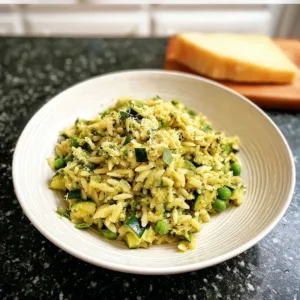
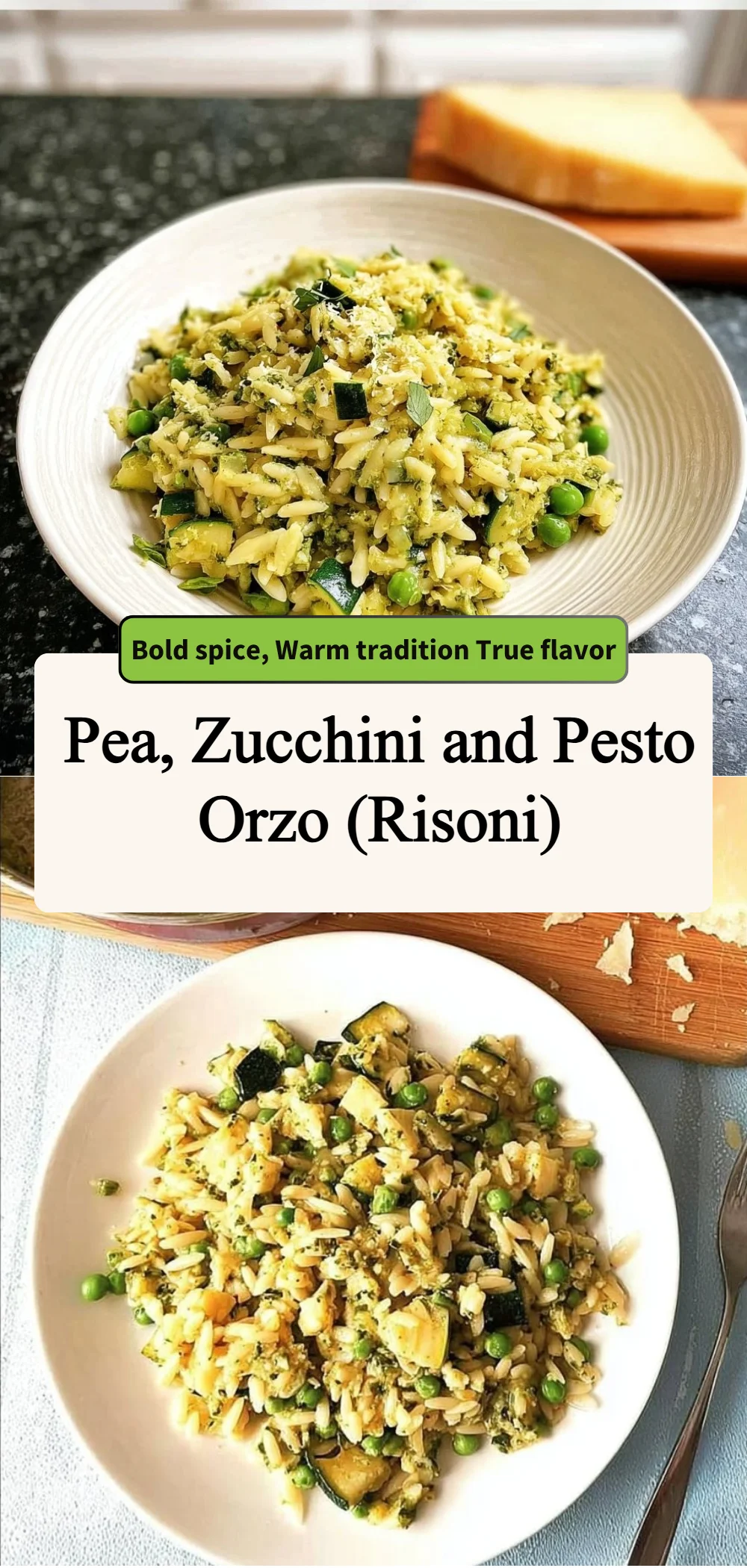
Pea, Zucchini and Pesto Orzo (Risoni)
Bright Summer Pasta Bowl
INTRODUCTION
Growing up between sunny markets and a busy Florida kitchen, food felt like a map to home and memory. I learned to coax warmth from simple ingredients and to celebrate bright, forgiving dishes that made weeknights sing. This Pea, Zucchini and Pesto Orzo is the kind of meal that folds summer into one bowl: tender risoni, sweet peas, and basil pesto that smells like sunlight. When I stir it, the Pea, Zucchini and Pesto Orzo tastes like quick comfort and friendly green flavors. Keep it on the table for laughter, late afternoons, and sharing. If you love risoni bowls, try this cozy creamy chicken and broccoli orzo for another comforting weeknight option.
Quick Recipe Overview
- Prep Time: 10 minutes | Cook Time: 6 minutes | Total Time: 16 minutes
- Servings: 3 to 4 | Difficulty: Easy | Cuisine: Mediterranean-inspired
- Best Season: Spring and summer when zucchini and basil shine
Reasons to Fall for This Bowl
- Flavor that sings: Bright basil pesto and sweet peas lift the mild risoni, creating a lively balance of herbaceous and buttery notes. The parmesan adds a savory finish that keeps each bite interesting.
- Speed and simplicity: From stovetop to table in under 20 minutes, this dish is perfect for busy evenings or relaxed lunches. The quick cook time means less fuss and more flavor with minimal cleanup.
- Comfort with a green twist: Instead of heavy cream, pesto and a splash of reserved pasta water create a silky coating that feels indulgent yet fresh. It’s a comforting plate that keeps things light and vegetable-forward.
- Perfect for sharing: The colors and fragrance make this an inviting centerpiece for small gatherings or a casual family meal. It travels well to potlucks and is easy to scale up for friends.
Pantry and Fresh Ingredients
- 2/3 cup risoni
- 1 tbsp olive oil
- 2 1/2 tbsp basil pesto (, preferably homemade (see notes for recipe))
- 1 small onion ((brown, yellow or white), diced)
- 1 garlic clove (, crushed)
- 3 cups zucchini (, diced)
- 1 cup frozen peas (, preferably defrosted)
- 1/4 tsp salt
- Black pepper
- Parmesan cheese (, freshly grated)
Ingredient swaps and notes
- risoni : If you cannot find risoni, small acini di pepe or orzo work similarly because they absorb sauce quickly and match the delicate texture needed here.
- basil pesto : Store-bought is fine, but fresh pesto lifts the flavor; swap with sun-dried tomato pesto for a tomatoey twist when basil is out of season.
- zucchini : Choose firm, unblemished zucchini for the best texture; yellow summer squash swaps well and keeps the recipe bright.
- frozen peas : Use fresh peas if available; taste them raw to check sweetness—starchy or bland peas will mute the dish.
- Parmesan cheese : Opt for a real Parmigiano Reggiano wedge and grate fresh for the cleanest, nuttiest finish; pre-grated versions can be saltier and less melty.
- olive oil : A good extra virgin olive oil adds fruity depth; for a nuttier note, finish with a drizzle of walnut oil in small amounts.
- onion and garlic : Use a milder sweet onion if you prefer subtler aromatics, or shallot for a refined, gentle bite.
Step-by-step Cooking Method
- Place about 8 cups of water in a large saucepan and bring to boil.
- Add risoni and cook for 4 minutes, then add peas and cook for a further 1 minute. Note: The risoni will be slightly underdone at this point. It will finish cooking in the remaining steps.
- Scoop out 1/2 cup of the water from the saucepan, then drain the risoni and set aside until ready to add to the pan.
- Heat olive oil in a fry pan over medium high heat.
- Add garlic and onion and sauté for 1 minute until starting to soften.
- Add zucchini and sauté for a further 2 – 3 minutes until both the zucchini and onion are softened and the onion is starting to turn a light golden brown.
- Add pesto, risoni, pasta water reserved in step 3, salt and pepper. Bring the water to a simmer and stir for 1 minute until the water is absorbed.
- Serve immediately, garnished with freshly grated parmesan.
Technique notes: Use a wide fry pan so the risoni and zucchini heat evenly and the pesto emulsifies into the reserved pasta water. Keep an eye on heat when you add the pesto; medium-high is fine but reduce if it threatens to brown too quickly. Stir gently to let the risoni finish cooking in the saucy pan rather than becoming mushy.
Pro technique notes
- Timing matters: Risoni cooks quickly and can go from al dente to soft within a minute, so follow the schedule and reserve the pasta water. That starchy sip of water is the secret to a glossy sauce.
- Layer flavors: Browning the onion until it has light golden edges adds caramelized sweetness that offsets the herbaceous pesto. Don’t rush this step; one to two extra minutes builds depth.
- Texture balance: Dice the zucchini uniformly so every bite has the same tender-crisp feel. If you like a firmer vegetable, start cooking it a minute earlier before the onion softens.
- Finish with care: Grated parmesan folded in at the end melts into the warm risoni and pesto, rounding out acidity and adding a savory backbone. Freshly grate for best melt and aroma.
Flavorful Variations to Try
- Vegan swap: Use a nut-based or store-bought vegan pesto and replace parmesan with nutritional yeast or a toasted almond crumble. Add a squeeze of lemon at the end for brightness and to replace the umami lost from cheese.
- Milder for kids: Reduce garlic to half a clove and use a light hand on salt; add roasted sweet peppers for natural sweetness that appeals to younger palates. Serve alongside crisp cucumber slices for a playful kid-friendly plate.
- Add a spicy lift: Stir in a pinch of red pepper flakes with the garlic or fold through a smoky chile paste at the end for heat. Balance with a tablespoon of honey or a squeeze of lemon to keep the flavors harmonious.
- Regional twist: Swap basil pesto for a cilantro-lime green sauce and add corn and chopped cherry tomatoes for a Mexican-inspired riff. Top with toasted pepitas instead of parmesan for crunch.
Best Things to Serve With It
- Sides: A crisp green salad with lemon vinaigrette or charred asparagus complements the herb-forward orzo without overwhelming it. Warm crusty bread makes it feel like a full, cozy meal.
- Drink: A chilled glass of lemony sparkling water or a light herbal iced tea pairs well; for an adult beverage swap, try a non-alcoholic pomegranate spritzer to mirror the pesto’s bright notes.
- Dessert: Keep dessert simple and seasonal, such as fresh berries with a dollop of mascarpone or a lemon olive oil cake for a citrusy finish that cleanses the palate.
Make ahead and meal prep
- Prep: Cook the risoni and vegetables separately and toss with pesto just before serving to keep textures bright. Store the reserved pasta water in the fridge in a small container for reheating to loosen the sauce.
- Store: Keep in an airtight container for up to 3 days; store cheese separately to prevent it from drawing moisture.
- Freeze: This dish is best fresh; freezing can change the texture of the zucchini and risoni. If you must freeze, leave out the parmesan and pesto, and add fresh when reheating.
- Reheat: Reheat gently on the stovetop with a splash of reserved pasta water to revive silkiness; avoid high heat which will dry the risoni.
Serving suggestions and styling
- Plating: Spoon into shallow bowls so the glossy pesto clings to the risoni and vegetables; a twirl with a large spoon creates a homey yet composed look. Scatter a few basil leaves and a dusting of parmesan for photo-ready charm.
- Warm vibes: Serve on warm plates to keep the risoni cozy longer. Add a small ramekin of extra pesto on the side for generous eaters.
- Family style: Present in a large shallow dish with a cheese grater on the table so everyone can finish their portion to taste. This invites conversation and customization.
Little kitchen hacks
- Garlic bloom: Crush garlic and add to warm oil for just 30 seconds to bloom its flavor without browning; this gives a soft background note rather than sharp raw garlic.
- Zucchini texture: Salt diced zucchini lightly and let sit for 5 minutes, then pat dry to remove excess moisture if you prefer a firmer sauté. This prevents a watery pan and concentrates flavor.
- Quick pesto: If you have a food processor, blitz basil, nuts, lemon zest, garlic, and olive oil for 30 seconds to make a bright, fresh pesto in minutes.
- Cheese melting: Grate the parmesan finely so it melts evenly into the warm risoni for the creamiest result.
Keeping and reheating tips
- Microwave: Reheat single portions with a tablespoon of reserved pasta water and cover loosely, stirring halfway through to avoid cold centers. Use medium power and short bursts to prevent rubbery texture.
- Stovetop: For the best texture, warm gently in a skillet with a splash of reserved pasta water over low heat, stirring until just heated through.
- Texture preservation: Avoid overdrying by adding liquid little by little—pasta water or a teaspoon of olive oil keeps the risoni glossy. Freshly grated parmesan before serving freshens flavors that can dull in storage.
Curious Cooks’ Questions
How can I make this dairy free while keeping creamy texture?
Use a dairy-free pesto or make a basil cashew cream by soaking cashews and blending with lemon and olive oil. Stir the cashew cream in at the end with reserved pasta water to create a silky coating. Finish with toasted pine nuts for extra richness.
Can I use fresh peas instead of frozen?
Yes, fresh peas work wonderfully and offer a brighter pop of sweetness; add them in the same step but taste for doneness. If peas are very young and tender, they may only need 30 to 45 seconds in boiling water.
Is risoni the same as orzo?
Risoni is the Italian name for orzo in many regions and they are often used interchangeably; both are small, rice-shaped pastas. Cooking times can vary slightly, so follow package instructions and rely on texture rather than time alone.
How do I keep the pesto from turning bitter when reheating?
Avoid boiling pesto; warm gently and add it off-heat if possible, letting residual pan warmth melt it into the risoni. A splash of reserved pasta water helps integrate the pesto without overheating.
Can I add protein to make this a full meal?
Yes, grilled chicken, roasted chickpeas, or seared tofu pair beautifully and add heft. For a quick weekday option, see 10-minute air fryer chicken sausage and veggies for a speedy protein-packed side that complements this bowl.
What if I want more lemon brightness?
Stir in a teaspoon of lemon zest while finishing and a small squeeze of lemon juice to brighten the pesto and cut richness. Add lemon slowly and taste as you go so the acidity enhances rather than overpowers.
Nutrition snapshot
- Serving Size: about 1 cup
- Calories: approximately 290 per serving
- Protein: 9 g
- Carbs: 34 g
- Fat: 12 g
- Fiber: 3 g
- Sugar: 3 g
Nutrition facts are estimates and may vary.
A quiet authors note
This Pea, Zucchini and Pesto Orzo is a reminder that simple ingredients treated with care can become meaningful food. It celebrates summer produce, quick weekday rhythms, and the small rituals of stirring, tasting, and sharing. I love how a handful of peas and a spoonful of pesto can bring familiar comfort and raise a meal into something worth photographing and repeating for company. Food like this keeps kitchens humming and conversations easy, and that feeling is at the heart of why I keep cooking and sharing these bowls.
Ready to cook and share
If you try this Pea, Zucchini and Pesto Orzo, plate it with a little extra parmesan and a few basil leaves, then take a breath and enjoy. Pin it, share it, and make it again on a weeknight when you want something bright, fast, and deeply satisfying.
Print
Pea, Zucchini and Pesto Orzo
- Total Time: 16 minutes
- Yield: 3 to 4 servings 1x
- Diet: Vegetarian
Description
A bright summer pasta bowl made with tender risoni, sweet peas, and fresh basil pesto.
Ingredients
- 2/3 cup risoni
- 1 tbsp olive oil
- 2 1/2 tbsp basil pesto (preferably homemade)
- 1 small onion (diced)
- 1 garlic clove (crushed)
- 3 cups zucchini (diced)
- 1 cup frozen peas (preferably defrosted)
- 1/4 tsp salt
- Black pepper to taste
- Parmesan cheese (freshly grated)
Instructions
- Place about 8 cups of water in a large saucepan and bring to a boil.
- Add risoni and cook for 4 minutes, then add peas and cook for a further 1 minute.
- Scoop out 1/2 cup of the water from the saucepan, then drain the risoni and set aside.
- Heat olive oil in a fry pan over medium-high heat.
- Add garlic and onion and sauté for 1 minute until starting to soften.
- Add zucchini and sauté for a further 2-3 minutes until softened.
- Add pesto, risoni, reserved pasta water, salt, and pepper. Bring to a simmer and stir for 1 minute until the water is absorbed.
- Serve immediately, garnished with freshly grated parmesan.
Notes
For a vegan option, use a nut-based pesto and nutritional yeast instead of parmesan.
- Prep Time: 10 minutes
- Cook Time: 6 minutes
- Category: Main Course
- Method: Stovetop
- Cuisine: Mediterranean
Nutrition
- Serving Size: 1 cup
- Calories: 290
- Sugar: 3g
- Sodium: 300mg
- Fat: 12g
- Saturated Fat: 3g
- Unsaturated Fat: 6g
- Trans Fat: 0g
- Carbohydrates: 34g
- Fiber: 3g
- Protein: 9g
- Cholesterol: 5mg