Lemon Dill Garlic Shrimp Pasta to Brighten Dinner
Zesty Shrimp Pasta Delight
INTRODUCTION
Growing up in kitchens where warmth lived on the stove, I learned how bright flavors can stitch a meal into memory, and that sensibility lives in this Lemon Dill Garlic Shrimp Pasta. The shrimp sing with citrus and herb, and the garlic lifts every forkful so it feels like a small celebration. This Lemon Dill Garlic Shrimp Pasta brings that same comforting spark, whether served for a quick weeknight or a intimate weekend supper. For a silky sauce inspiration that echoes the lemon brightness here, try the creamy lemon pasta sauce recipe for a related texture idea.
Quick Recipe Overview
- Prep Time: 10 minutes | Cook Time: 15 minutes | Total Time: 25 minutes
- Servings: 4 | Difficulty: Easy | Cuisine: Modern American with Mediterranean touches
- Best Season: Spring and summer when lemons and fresh dill feel brightest
Reasons to Fall for This Dish
- Bright citrus meets tender shrimp: The lemon juice and zest cut through the richness and make every bite lively. This pairing keeps the dish feeling light and summery, perfect for warming patios and simple dinners.
- Garlic and dill make it homey: Minced garlic gives savory depth while fresh dill adds an herbaceous, almost anise-like lift. Together they create a familiar, comforting aroma that invites second helpings.
- Quick to cook for busy nights: From pan to plate in under half an hour, this recipe is ideal for weeknights when time is tight but flavor cannot be compromised. It is forgiving for beginners and satisfying for seasoned cooks.
- Impressive yet approachable: The final plate looks restaurant-ready with minimal fuss, making it lovely for casual dinner guests. The flavors are sophisticated without being fussy, so it suits both family meals and small celebrations.
What You Need to Gather
- 1 pound large shrimp, peeled and deveined (Choose fresh or thawed shrimp for best results.)
- 4 cloves fresh garlic, minced (Infuses the sauce with savory flavor.)
- 1/4 cup fresh lemon juice (Adds vibrant flavor.)
- 1 tablespoon lemon zest (Enhances lemon flavor.)
- 1 tablespoon fresh dill, chopped (Compliments seafood.)
- 2 tablespoons olive oil (Extra-virgin for best quality.)
- 2 tablespoons butter (Adds richness to the sauce.)
- 1/4 teaspoon red pepper flakes (Optional for a hint of heat.)
- 12 ounces your favorite pasta (Linguine or fettuccine work best.)
- 1 tablespoon salt (For seasoning pasta water.)
- 1 teaspoon freshly ground black pepper (For seasoning at the end.)
- 1/4 cup grated Parmesan cheese (For topping.)
- 2 sprigs extra fresh dill (For garnish.)
Smart Ingredient Swaps and Tips
- Shrimp : Choose firm, translucent shrimp; frozen is fine if thawed fully. If allergic or avoiding seafood, use firm tofu or tempeh as a substitute and sear until golden for texture.
- Garlic : Use fresh cloves for the best aromatic lift; roasted garlic can be swapped for a milder, sweeter flavor. Mince just before cooking to preserve that fresh garlic perfume.
- Lemon juice : Freshly squeezed is nonnegotiable for brightness; bottled lemon will taste flat. Keep a few extra lemons on hand to adjust acidity to your taste.
- Fresh dill : If fresh dill is unavailable, use a teaspoon of dried dill and add at the end for a hint of herb. Parsley can stand in for a different fresh, green note if needed.
- Butter and olive oil : A blend gives flavor and a glossy sauce; use unsalted butter if controlling sodium. For a dairy-free version, replace butter with an additional tablespoon of olive oil or a plant-based butter.
Step-by-Step Cooking Directions
- Bring a large pot of water to a rolling boil and add 1 tablespoon salt. Add 12 ounces of pasta and cook until just shy of al dente, following package timing; reserve 1 cup of pasta water before draining. Technique note: undercooking slightly lets the pasta finish cooking in the sauce for ideal texture.
- While the pasta cooks, pat 1 pound of shrimp dry and season lightly with salt and a pinch of black pepper. Dry shrimp sear better and develop a nice color, so avoid overcrowding the pan.
- Heat 2 tablespoons olive oil and 2 tablespoons butter in a wide skillet over medium-high heat until butter foams. Add the shrimp in a single layer and cook 1 to 2 minutes per side until pink and opaque; remove shrimp to a plate to avoid overcooking. Technique note: shrimp go from perfect to rubbery fast, so watch closely and remove promptly.
- Lower heat to medium and add 4 cloves minced garlic and 1/4 teaspoon red pepper flakes to the skillet; cook 30 to 45 seconds until fragrant without browning. Browning garlic will introduce bitterness, so keep the heat moderate.
- Pour in 1/4 cup fresh lemon juice and 1 tablespoon lemon zest, scraping any browned bits from the pan. Let the sauce bubble gently for a minute to meld flavors.
- Add 1 tablespoon chopped fresh dill and return the shrimp to the pan. Toss gently to coat and heat through for about 30 seconds.
- Add the drained pasta to the skillet and toss with the shrimp and sauce, adding reserved pasta water a few tablespoons at a time to reach a glossy, clingy sauce. Finish with 1 teaspoon freshly ground black pepper and 1/4 cup grated Parmesan cheese, tossing until combined. Technique note: the starchy pasta water binds the sauce, so add gradually to control consistency.
- Plate the pasta, garnish with 2 sprigs extra fresh dill and an additional sprinkle of Parmesan if desired. Serve immediately for best texture and flavor.
Pro Tricks from the Stove
- Temperature control is everything: Sear shrimp on medium-high for a quick color and then reduce heat to finish. Hot initial heat gives caramelized flavor while lowering ensures tenderness.
- Use pasta water like a sauce secret: The starch in reserved pasta water helps the sauce cling and become silky without adding cream. Add it tablespoon by tablespoon to get the exact sheen and thickness you want.
- Finish with acid last: Lemon juice brightens but can flatten if cooked too long, so add most of the lemon at the end. Zest added earlier holds aromatic oils that elevate the citrus profile.
- Salt in layers for depth: Salt the pasta water well, but taste and adjust seasoning at the end rather than oversalting early. A little finishing salt or extra lemon can wake the dish at the table.
Delicious Ways to Change It Up
- Vegan version: Swap shrimp for marinated and seared firm tofu or thick oyster mushrooms for a satisfying bite. Use plant-based butter and nutritional yeast instead of Parmesan, and finish with extra lemon.
- Milder profile: Omit the red pepper flakes and reduce garlic slightly, adding a splash of cream or plant milk for a gentler, rounder sauce. Fresh basil can be added for a sweet herb note.
- Spicy variation: Add a teaspoon of smoked paprika along with red pepper flakes and finish with a drizzle of chili oil. A handful of chopped roasted red peppers also gives smoky heat and color.
- Regional twist: Stir in a spoonful of capers and chopped sun-dried tomatoes for a Mediterranean accent, or add a touch of cumin and cilantro for a Latin-inspired spin. Each tweak shifts the dish into a familiar regional lane while keeping the core lemon-dill identity.
Perfect Sides and Sips
- Sides: Serve with a simple baby arugula salad dressed in olive oil and lemon to echo the pasta’s brightness, or roasted asparagus dressed with lemon zest for complementary texture. A crusty baguette or garlic bread is perfect for mopping up the sauce.
- Drinks: A crisp white wine like a sauvignon blanc or a light, citrus-forward spritzer complements the lemon notes. For a nonalcoholic pairing, sparkling water with lemon and fresh mint keeps the meal lively and refreshing.
- Dessert: Finish with a light lemon sorbet to reinforce the citrus theme, or a simple almond biscotti for a subtle, sweet crunch after the savory main.
How to Prep Ahead and Save Time
- Prep: Peel and devein the shrimp and store in the fridge for up to 24 hours; mince garlic and zest lemons ahead and keep chilled in small containers. Chop dill the day before and wrap in a damp paper towel to maintain freshness.
- Store: Cooked pasta and sauce are best stored separately if possible; refrigerate in airtight containers for up to 3 days. Combine and reheat gently to preserve shrimp texture.
- Freeze: Shrimp in sauce does not freeze well; for longer storage, freeze the sauce base without shrimp for up to 2 months and add freshly cooked shrimp when reheating. Thaw the sauce overnight in the refrigerator before reheating.
- Reheat: Rewarm on the stovetop over low heat, adding a splash of water or reserved pasta water to loosen the sauce and prevent drying. Avoid microwave reheating for shrimp to prevent rubberiness.
Presenting Your Pasta Beautifully
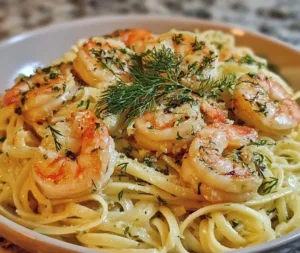
- Toss the pasta so every strand has a glossy coating, then twirl nests onto warm plates for an elegant look. Finish each nest with a whole shrimp on top and a small sprig of dill for height and color.
- Use lemon slices or thin wedges on the side so guests can add extra brightness at the table. A final grind of black pepper and a light dusting of Parmesan create contrast and visual appeal.
- Keep the serving dish warm to preserve temperature and aroma while serving, using a preheated tray or slightly warmed ceramic platter. Warm plates help the pasta stay inviting longer during relaxed dinners.
Little Kitchen Secrets Chefs Use
- Dry shrimp very well before cooking to ensure a proper sear and flavor development. Moisture creates steam, which prevents that golden crust chefs love.
- Finish sauces with cold butter off heat for a glossy emulsion that clings to pasta beautifully. The technique, called monter au beurre, adds silkiness without cream.
- Zest lemons before juicing so you can capture the aromatic oils separately and avoid bitterness from pith. Use a microplane to create fine zest that integrates seamlessly.
- Use a wide skillet rather than a deep pot for the sauce and shrimp so ingredients contact heat evenly and toss easily. More surface area equals better browning and flavor.
Keeping Texture and Freshness
- Microwave reheating: Place a portion in a microwave-safe bowl, cover loosely, and heat in short 30-second bursts stirring in between. Add a tablespoon of water or lemon juice to protect the sauce and prevent drying.
- Stovetop reheating: Gently rewarm over low heat with a splash of pasta water, tossing frequently until warmed through to preserve shrimp tenderness. This method best preserves texture and flavor compared with the microwave.
- Texture preservation: Avoid overcooking shrimp when reheating; heat only until warmed through. If sauce thickened in the fridge, thin with warm pasta water rather than more oil to maintain the original balance.
Common Questions Answered
How can I tell when shrimp are cooked through?
Shrimp are done when they turn opaque and curl into a gentle C shape. Overcooked shrimp become tough and rubbery, so remove them from heat as soon as they are pink and firm to the touch.
Can I use frozen shrimp for this recipe?
Yes, frozen shrimp work well if fully thawed and patted dry before cooking. Thaw overnight in the refrigerator or under cold running water for faster thawing, then drain and dry to ensure a good sear.
Is it okay to use dried dill instead of fresh?
You can substitute dried dill, but use about a third of the fresh amount and add it earlier in cooking so it hydrates and releases flavor. Fresh dill offers a brighter, fresher aroma that pairs particularly well with lemon.
What pasta shapes work best here?
Long noodles like linguine or fettuccine catch the silky sauce beautifully, but short shapes like penne also work if you prefer. Choose a shape that your family loves, as the sauce clings well to most pastas thanks to the starchy water method.
Can I make this dairy-free?
Yes, replace butter with olive oil or a vegan butter and omit Parmesan or use a plant-based alternative. A touch of nutritional yeast adds a savory, cheesy note if desired.
How do I keep the sauce from separating?
Use a small amount of reserved pasta water to bind the sauce and finish off-heat with a little cold butter for an emulsion. Avoid boiling hard after adding lemon juice, and toss quickly to marry the flavors.
Nutrition Info
- Serving Size: 1 of 4 servings
- Calories: Approximately 420 per serving
- Protein: 28 g
- Carbs: 45 g
- Fat: 15 g
- Fiber: 2 g
- Sugar: 2 g
Nutrition facts are estimates and may vary.
A Note from the Kitchen Heart
This recipe is a small celebration of bright flavors and community, a dish that brings people to the table for conversation as much as for food. Lemon, dill, and garlic are a trio that never feels fussy but always feels special, and preparing this pasta invites the simple rituals that make meals memorable. Whether shared between friends or served quietly for one, the warmth of a well-cooked dinner connects to family and tradition in gentle, delicious ways.
Ready to Cook and Share
If you want a quick dinner that tastes like a welcome hug, this Lemon Dill Garlic Shrimp Pasta is the answer; make it, savor it, and pin it for future weeknights. Share it with friends or family and enjoy how such bright, comforting flavors can transform an ordinary evening into something worth remembering.
Print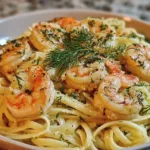
Lemon Dill Garlic Shrimp Pasta
- Total Time: 25 minutes
- Yield: 4 servings 1x
- Diet: Seafood
Description
Bright lemon and dill flavors elevate this shrimp pasta dish, making it a light and comforting meal perfect for any occasion.
Ingredients
- 1 pound large shrimp, peeled and deveined
- 4 cloves fresh garlic, minced
- 1/4 cup fresh lemon juice
- 1 tablespoon lemon zest
- 1 tablespoon fresh dill, chopped
- 2 tablespoons olive oil
- 2 tablespoons butter
- 1/4 teaspoon red pepper flakes (optional)
- 12 ounces favorite pasta (linguine or fettuccine)
- 1 tablespoon salt
- 1 teaspoon freshly ground black pepper
- 1/4 cup grated Parmesan cheese
- 2 sprigs extra fresh dill (for garnish)
Instructions
- Bring a large pot of water to a rolling boil and add 1 tablespoon salt. Add 12 ounces of pasta and cook until just shy of al dente, reserving 1 cup of pasta water before draining.
- While the pasta cooks, pat 1 pound of shrimp dry and season lightly with salt and black pepper.
- Heat 2 tablespoons olive oil and 2 tablespoons butter in a skillet over medium-high heat until butter foams. Add shrimp and cook 1-2 minutes per side until pink and opaque.
- Lower heat to medium and add 4 cloves minced garlic and 1/4 teaspoon red pepper flakes; cook until fragrant, about 30-45 seconds.
- Pour in 1/4 cup lemon juice and 1 tablespoon lemon zest, scraping any browned bits from the pan. Let the sauce bubble gently for a minute.
- Add 1 tablespoon chopped dill and return shrimp to the pan. Toss gently to coat and heat through for about 30 seconds.
- Add drained pasta to the skillet and toss with the shrimp and sauce, adding reserved pasta water to reach desired consistency.
- Finish with 1 teaspoon black pepper and 1/4 cup grated Parmesan cheese, tossing until combined.
- Plate the pasta, garnish with extra dill and Parmesan, and serve immediately.
Notes
For a vegan version, use firm tofu instead of shrimp and plant-based butter instead of regular butter. Adjust garlic and red pepper flakes to taste.
- Prep Time: 10 minutes
- Cook Time: 15 minutes
- Category: Main Course
- Method: Stovetop
- Cuisine: Modern American
Nutrition
- Serving Size: 1 serving
- Calories: 420
- Sugar: 2g
- Sodium: 400mg
- Fat: 15g
- Saturated Fat: 4g
- Unsaturated Fat: 8g
- Trans Fat: 0g
- Carbohydrates: 45g
- Fiber: 2g
- Protein: 28g
- Cholesterol: 220mg