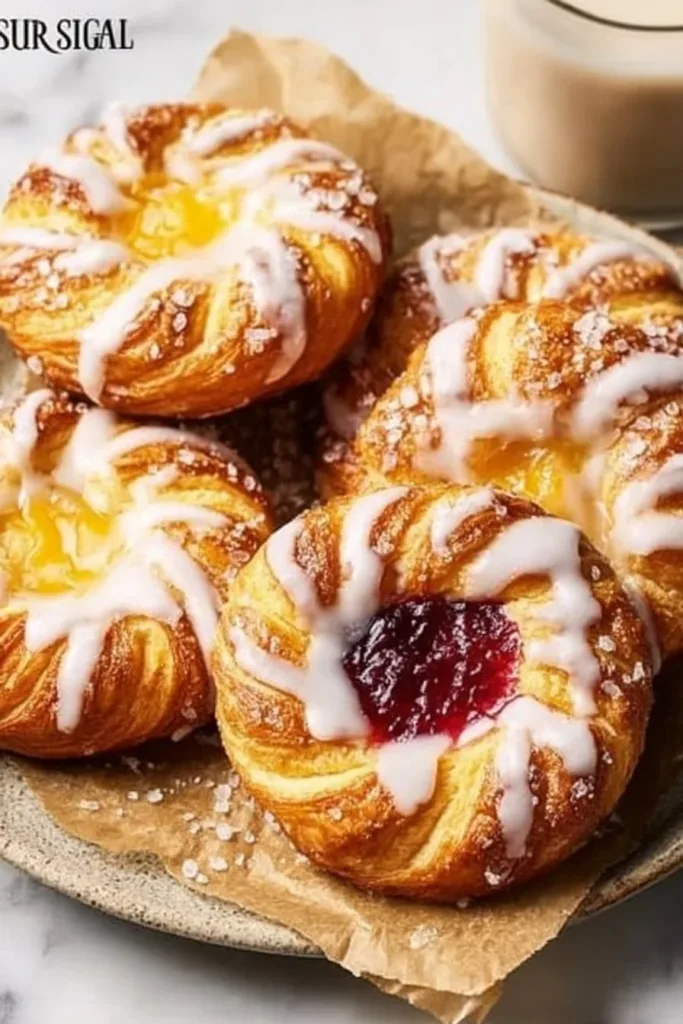
Fantastic Danish Pastry to Delight Your Taste Buds
Decadent Pastry Adventure
Nestled in the heart of culinary tradition, Danish pastry is more than just a delightful treat; it’s a celebration of flavors and textures that awaken the senses. Inspired by the vibrant spirit of Mexican kitchens, where food is a story woven through generations, this recipe captures the essence of joy and warmth. Each flaky layer tells a tale of creativity, patience, and a sprinkle of love. Imagine indulging in the buttery goodness, filled with sweet cream or zesty fruit, paired with a warm cup of coffee. Prepare to embark on a baking journey that will enchant your family and friends, inviting them to savor each delicious bite.
Quick Recipe Overview
- Prep Time: 1 hour 20 minutes
- Cook Time: 20 minutes
- Total Time: 1 hour 40 minutes
- Servings: 12 pastries
- Difficulty: Intermediate
- Cuisine: Danish
- Best Season: Any time of the year
What Makes This Dish Shine
- Flaky Perfection: The unique layering technique gives the pastry a delightful flakiness that melts in your mouth, making every bite an experience to cherish.
- Versatile Filling Options: You can experiment with different fillings, from classic almond paste to vibrant fruit preserves or rich custards, to suit your taste.
- Impressive Presentation: These pastries are not only delicious but also gorgeous, making them a perfect centerpiece for brunches, celebrations, or cozy gatherings.
- A Treat for All Occasions: Whether you’re hosting a tea party or looking for a sweet treat after dinner, these pastries are always a hit, bringing smiles and joy to every table.
Essential Ingredients for Your Pastry
- 1 cup whole milk (cold) (250ml)
- 2 ¼ teaspoons instant or active dry yeast (1 sachet / 8g)
- 390 g plain flour (all-purpose flour) (3 cups / ~13¾oz)
- ⅓ cup white granulated sugar (66g / ~2⅓oz)
- ½ teaspoon salt
- 226 g unsalted butter (full fat, coarsely grated and very cold) (1 cup / 2 sticks / 8oz)
- 1 large egg
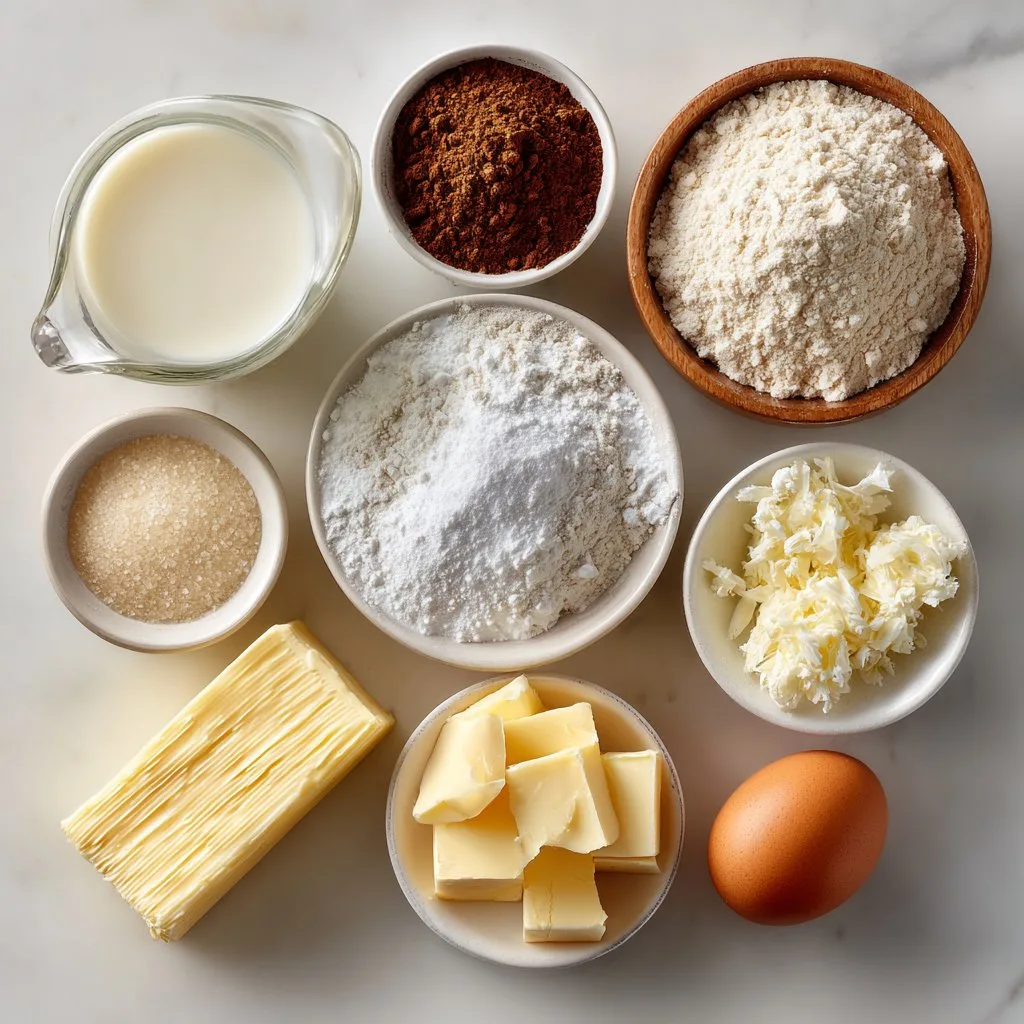
Ingredient Insights for a Perfect Bake
- Milk: Use full-fat milk for richer flavor and a tender texture.
- Yeast: Instant yeast is best; however, active dry yeast will work if activated properly.
- Flour: All-purpose flour maintains a tender crumb, but you can mix it with a little bread flour for added structure.
- Butter: Always choose high-quality unsalted butter for the best flavor and flakiness in your croissant layers.
Step-by-Step Instructions for Success
- If you haven’t already, grate the cold butter and place it in the freezer for about 10 minutes to chill. This step is crucial for achieving those flaky layers.
- Warm ½ cup of milk in the microwave or a small saucepan until it feels warm to the touch (approximately 40ºC). If the milk is too hot, it will kill the yeast; too cold, and the yeast won’t activate.
- To the warm milk, add 1 tablespoon of sugar along with all the yeast. Mix gently and let it sit for 10 minutes until it becomes frothy—a sign your yeast is active and ready to go.
- In a large bowl, mix the chilled butter, flour, remaining sugar, and salt. Toss lightly to coat the butter pieces.
- Using your fingertips or a pastry cutter, gently cut the butter into the flour until the pieces are the size of lentils. Be careful not to melt the butter; if your kitchen is warm, chill it for a while longer.
- Whisk the remaining ½ cup of milk and the egg into the frothy yeast mixture until combined, then pour it into the flour mixture.
- With a spoon or spatula, mix the ingredients together just until a rough and sticky dough forms.
- Cover the bowl tightly with plastic wrap and refrigerate for 8-24 hours. This resting time will develop the dough’s flavor and texture.
- When ready, turn the chilled dough onto a lightly floured surface. Shape it into a rectangle, being careful not to add too much extra flour.
- ROLL AND FOLD: Roll the dough into a large rectangle about 6mm thick (around 27cm x 45cm). Fold it like a letter in thirds (top over middle, then bottom over that).
- Repeat this rolling and folding process 3 more times for a total of 4 turns, culminating in a smoother dough. If the dough sticks at any point, dust with a light sprinkle of flour.
- Chill the layered dough for 1-2 hours to relax before transforming it into Danish pastries. Follow your chosen filling instructions for baking.
- For the final baking time and temperature, check your recipe notes for specific guidelines.
Best Tips for Awesome Pastry
- Start with cold ingredients to ensure your butter remains solid for greater flakiness.
- Maintain a low room temperature during preparation. If necessary, chill the dough at various stages to prevent melting.
- Be gentle when mixing and folding to maintain those precious butter flakes that create the pastry’s iconic texture.
Explore Creative Variations
- Vegan Version: Substitute butter with a high-quality vegan butter and use plant-based milk to create a delightful vegan option.
- Spicy Twists: Add a touch of cinnamon or nutmeg to the dough for a warm, spicy flavor profile.
- Regional Inspired: Create a fruity filling using local berries, or experiment with tropical flavors like mango or passionfruit for a fusion twist.
- Mini Danishes: Make bite-sized pastries by cutting the dough into smaller squares for single-serving delights at gatherings.
Complementing Pairings
- Pair these pastries with a robust coffee or herbal tea for a perfect afternoon treat.
- Serve them alongside fresh fruit salads or yogurt for a delightful brunch spread.
- For dessert, incorporate a scoop of vanilla ice cream to bring a contrast to the flaky warmth of the pastry.
Preparing and Preserving Made Easy
- Make Ahead: Prepare the dough a day in advance, allowing it to rest in the fridge for optimal flavor development.
- Storage: Keep baked pastries in an air-tight container for up to three days at room temperature.
- Freezing: Unbaked pastries can be frozen before the final rising. Simply thaw in the fridge the night before baking.
Beautiful Serving Ideas
- Present these pastries on a large rustic wooden board, dusted with powdered sugar, to add visual appeal.
- Layer them with colorful seasonal fruits for an inviting look while enhancing flavors.
- Serve warm for a cozy breakfast or brunch experience, inviting conversations and connection.
Cooking Secrets to Keep in Mind
- Chill Everything: Keeping the butter and dough cold ensures a flaky result. If at any stage it feels warm, take a break and chill it.
- Indicator for Yeast: Watch for bubbles when your yeast blooms; this shows it’s fresh and ready to create those airy layers.
- Using Gentle Pressure: When rolling out the dough, avoid using too much force to maintain the delicate structure of the layers.
Best Practices for Storing and Reheating
- Microwave: For quick reheating, place pastries on a microwave-safe plate and heat them for 10-15 seconds until warm.
- Stovetop: Heat in a dry skillet over low heat for a couple of minutes, ensuring they stay crispy on the outside.
Common Questions Answered
- Can I use all-purpose flour instead of bread flour? Absolutely! All-purpose flour provides a tender texture perfect for Danish pastries.
- How can I ensure my yeast is fresh? Always check the expiration date and bloom it in warm water with a bit of sugar for assurance.
- Can these pastries be frozen before baking? Yes, you can freeze them after shaping. Just thaw and rise before baking.
- What fillings can I use? From almond paste to fruit jams, the options are limitless! Just be sure not to overfill.
- How long can I keep leftover pastries? Store them in an airtight container for three days at room temperature.
- Can I add spices to the dough? Yes! A sprinkle of cinnamon or zest from citrus fruit can enhance the flavor beautifully.
- What is the best way to serve these pastries? Warm with a side of coffee and fruit for a delightful treat any time of the day.
Nutritional Information
- Serving Size: 1 pastry
- Calories: 220
- Protein: 3g
- Carbs: 28g
- Fat: 10g
- Fiber: 1g
- Sugar: 5g
Nutrition facts are estimates and may vary.
A Heartfelt Note
Cooking is a journey that connects us with our roots, and making Danish pastries is no exception. The kitchen is where laughter resonates and cherished memories are created, just like in the vibrant markets of Oaxaca. Take the time to gather your loved ones, share stories, and enjoy the simple pleasure of baking together. Every layer of dough that you roll out brings us closer to the nourishing traditions of our past. So, let the warmth of your kitchen embrace you as you share this delicious pastry moment with your family and friends.
Ending on a Delicious Note
Whether you’re new to the kitchen or a seasoned baker, creating Danish pastries can be an enriching experience filled with warmth and joy. Each time you savor one of these delights, remember the magic that happens within your kitchen—a blend of tradition, creativity, and love. So roll up your sleeves, get baking, and don’t forget to share your masterpiece on Pinterest to inspire others to join in on the fun!
Print
Fantastic Danish Pastry to Delight Your Taste Buds
- Total Time: 100 minutes
- Yield: 12 pastries 1x
- Diet: Vegetarian
Description
Experience the flaky perfection of Danish pastries that melt in your mouth, filled with sweet cream or zesty fruit.
Ingredients
- 1 cup whole milk (cold) (250ml)
- 2 ¼ teaspoons instant or active dry yeast (1 sachet / 8g)
- 390 g plain flour (all-purpose flour) (3 cups / ~13¾oz)
- ⅓ cup white granulated sugar (66g / ~2⅓oz)
- ½ teaspoon salt
- 226 g unsalted butter (full fat, coarsely grated and very cold) (1 cup / 2 sticks / 8oz)
- 1 large egg
Instructions
- Grate the cold butter and place it in the freezer for about 10 minutes.
- Warm ½ cup of milk until warm to the touch, then add to the warm milk 1 tablespoon of sugar and all the yeast. Mix gently and let sit for 10 minutes.
- In a large bowl, mix chilled butter, flour, remaining sugar, and salt. Toss to coat butter pieces.
- Cut butter into flour until the pieces are the size of lentils.
- Whisk remaining ½ cup of milk and the egg into the frothy yeast mixture, then pour into flour mixture.
- Mix ingredients until a rough and sticky dough forms.
- Cover bowl tightly and refrigerate for 8-24 hours.
- Turn chilled dough onto a floured surface and shape into a rectangle.
- Roll the dough into a rectangle about 6mm thick and fold it like a letter. Repeat this rolling and folding process 3 more times.
- Chill the layered dough for 1-2 hours.
- Follow chosen filling instructions for baking and bake according to recipe notes.
Notes
Maintain a low room temperature and start with cold ingredients for optimal flakiness.
- Prep Time: 80 minutes
- Cook Time: 20 minutes
- Category: Pastry
- Method: Baking
- Cuisine: Danish
Nutrition
- Serving Size: 1 pastry
- Calories: 220
- Sugar: 5g
- Sodium: 200mg
- Fat: 10g
- Saturated Fat: 6g
- Unsaturated Fat: 3g
- Trans Fat: 0g
- Carbohydrates: 28g
- Fiber: 1g
- Protein: 3g
- Cholesterol: 30mg