Dutch Baby Pancake
Puffy Skillet Morning Treats
INTRODUCTION
Childhood kitchens scented with citrus, corn and toasted spice taught me that cooking is storytelling, each sizzling pan a paragraph in family life. That heritage of bold, comforting flavors lives beside an American breakfast tradition I adore: the Dutch Baby Pancake, light and theatrical in the oven. The Dutch Baby Pancake puffs at the edges and offers a tender custardy center that tastes like mornings full of sunlight. Making a Dutch Baby Pancake feels like folding together two homes, simple pantry staples transformed into something celebratory. Serve it with berries and syrup, or consult a beginner pancake guide for tips.
Fast Recipe Snapshot
- Prep Time: 10 minutes | Cook Time: 25 minutes | Total Time: 35 minutes | Servings: 2–4 | Difficulty: Easy | Cuisine: American | Best Season: Year-round
Reasons to Fall for It Today
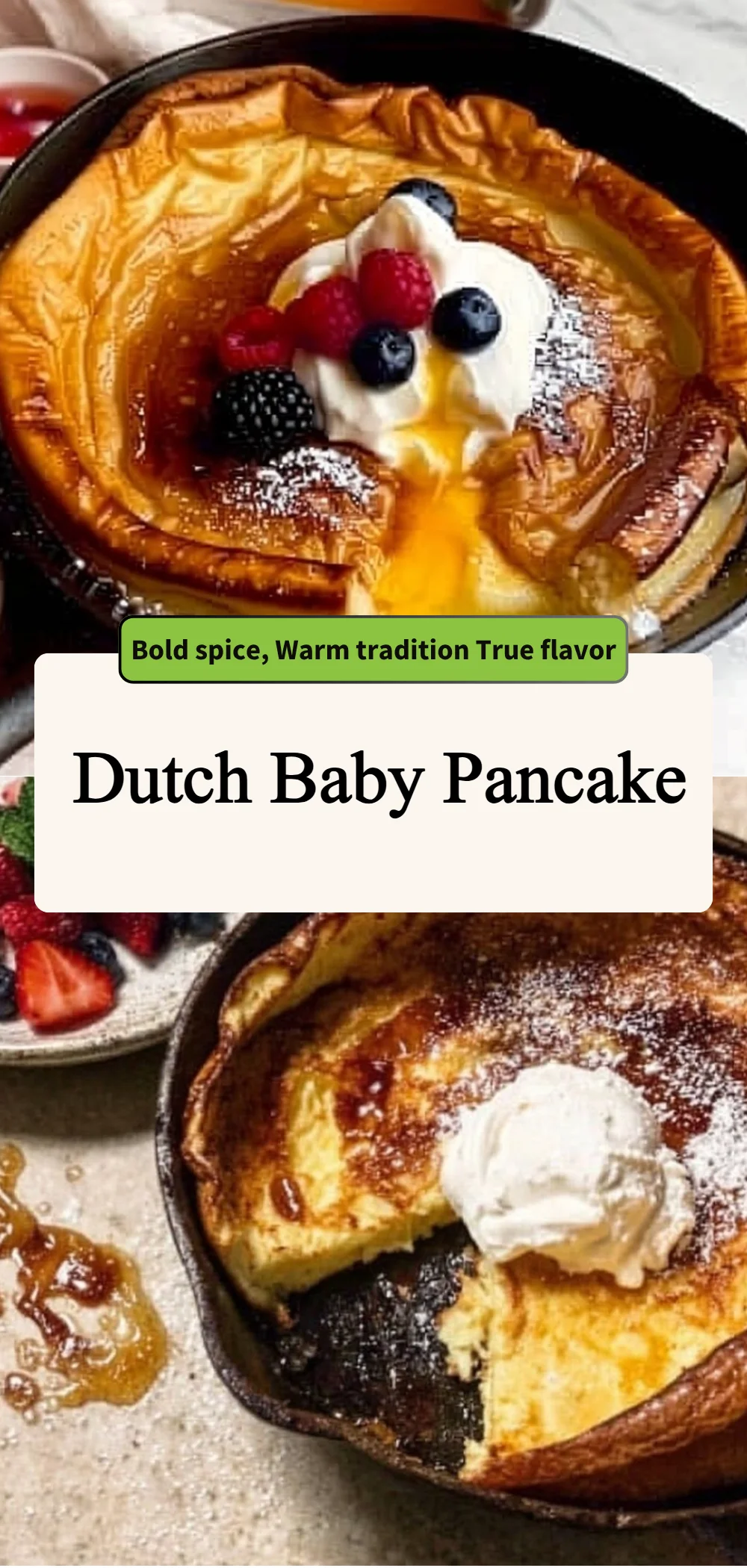
- Light, airy theater: The Dutch Baby Pancake rises dramatically at the edge and collapses into a custardy center. That visual puff feels celebratory, turning a simple breakfast into a moment that delights both kids and grown-ups. – Fast and forgiving: This recipe uses pantry basics and a blender for smooth batter, so even a busy morning feels manageable. The hands-on time is short, and rest and oven heat do most of the work. – Crowd-friendly breakfast: Serve slices straight from the skillet and everyone gathers around the table to taste warm, lemon-scented batter. It’s ideal for a weekend brunch where conversation and seconds are encouraged. – Versatile topping canvas: Fresh berries, whipped cream, or a drizzle of maple syrup each change the mood from bright and fruity to cozy and indulgent. Swap toppings to match seasons and guests without changing the base method.
Pantry and Batter Ingredients
- 3 large eggs, at room temperature
- 3/4 cup all-purpose flour
- 3/4 cup whole milk, at room temperature (or nondairy)
- 1 teaspoon lemon zest
- 2 Tablespoons granulated sugar
- pinch of salt
- 1/2 teaspoon vanilla extract
- 3 Tablespoons unsalted butter
- 2 Tablespoons confectioners’ sugar, for sifting
- optional toppings: berries, whipped cream, maple syrup, and/or strawberry sauce
Ingredient Wisdom and Swaps
- Eggs : Use room temperature eggs for better volume; if cold, place them in warm water for a few minutes. – Flour : All-purpose gives the right structure; for a lighter texture, try a half-and-half swap with pastry flour. – Milk : Whole milk yields a richer custard; nondairy milks like oat or almond work fine for a dairy-free version. – Lemon zest : Fresh zest brings bright citrus perfume; avoid prepackaged zest, which loses aroma. – Granulated sugar : Keeps the batter balanced; swap coconut sugar for a deeper caramel note. – Salt : A pinch enhances the pancake’s sweetness; kosher salt dissolves evenly in the batter. – Vanilla : Pure vanilla extract adds rounded flavor; omit if you prefer a more citrus-forward profile. – Butter : Unsalted allows you to control seasoning; use high-quality butter for the best browning. – Confectioners’ sugar : Sift just before serving for a snowy finish that contrasts the browned edges. – Optional toppings : Fresh berries add acidity and texture; whipped cream brings soft creaminess, while maple syrup adds woody sweetness.
Step-by-Step Baking Directions
- Preheat the oven to 400°F (204°C). 2. Place the eggs in a blender and blend on medium-high speed until frothy, about 45 seconds. 3. Add flour, milk, lemon zest, sugar, salt, and vanilla, and blend until combined. 4. Allow the batter to rest for 15 minutes at room temperature. 5. Place butter in a 10-inch oven-safe skillet and place in the oven for 5 minutes to melt. 6. Remove from the oven and use a pastry brush to spread the melted butter up the sides of the pan. 7. Pour the batter into the center of the hot pan and bake for 15 minutes. 8. Reduce the oven temperature to 350°F (177°C) and bake for an additional 10 minutes, or until the edges and center are browned. 9. Cool for 5 minutes before adding desired toppings. 10. Slice and serve. Technique notes: Resting the batter relaxes gluten and improves rise; the hot buttered pan creates that signature puff and lacy browned edge. Use an oven thermometer for consistent baking and avoid opening the oven during the first 15 minutes to keep the steam that helps the pancake rise.
Advanced Little Tricks to Master
- Temperature control: A smoking-hot pan is the secret to dramatic rise and crisp edges; preheat the skillet in the oven so the butter sizzles as soon as the batter hits the surface. – Timing of the second bake: Reducing the oven temperature mid-bake allows the center to set without burning the edges; watch for a golden brown top and a slight jiggle at the center for perfect custard. – Flavor layering: Lemon zest brightens the center while vanilla rounds out sweetness; add a teaspoon of orange zest or a splash of almond extract for a subtle twist. – Texture finesse: For a silkier custard, strain the blended batter through a fine-mesh sieve before resting to remove any clumps.
Flavor Swaps and Creative Twists
- Vegan approach: Replace the eggs with a blended tofu or a commercial egg replacer and use nondairy milk with a tablespoon of ground flaxseed mixed with water to help thicken. Expect a slightly denser texture, and warm spices like cinnamon or cardamom really enhance the profile. – Milder morning: Reduce sugar by half and serve with a light lemon dusting and a scattering of toasted sliced almonds for crunch; this keeps the pancake bright without being overly sweet. – Spiced variation: Add a half teaspoon of ground cinnamon and a pinch of nutmeg to the batter, then top with warm spiced compote for a comforting autumnal version. – Regional inspiration: For a tropical accent, fold in a tablespoon of coconut cream, top with mango slices and toasted coconut, and finish with lime zest for a sunny, island-flavored Dutch baby.
What to Serve Alongside
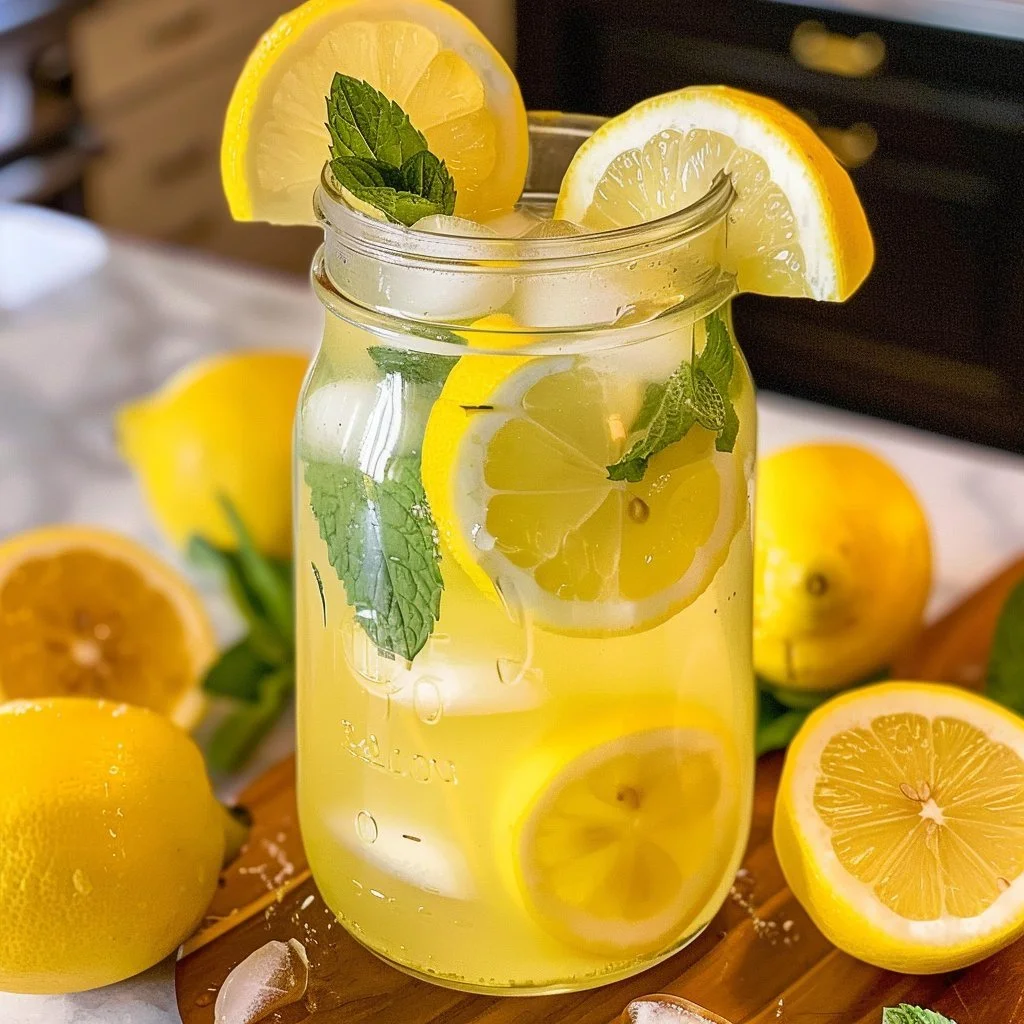
- Sides: A crisp green salad with citrus vinaigrette or roasted breakfast potatoes make a satisfying savory counterpoint to a sweet, tender pancake. – Drinks: Offer bright coffee, lightly toasted chai, or a sparkling citrus mocktail to lift the flavors; herbal teas pair beautifully for a gentler morning. – Dessert ideas: If you want to continue the meal, serve small espresso affogatos or a scoop of vanilla bean ice cream alongside warm fruit compote to echo the pancake’s custardy center. For a cozy brunch that mixes sweet and savory, consider pairing with a savory casserole or cozy Dutch oven chicken and dumplings recipe to feed a larger gathering.
Make-Ahead Moves and Freezing Tips
- Prep the batter: You can blend the batter and refrigerate it for up to 24 hours in an airtight container; return it to room temperature and whisk before resting 15 minutes prior to baking. – Store cooked slices: Cool completely, then wrap slices individually or stack with parchment between layers and refrigerate for up to 3 days. – Freezing: Freeze cooled slices in a single layer until firm, then transfer to a freezer-safe bag for up to 1 month. – Reheating: Thaw overnight in the refrigerator and reheat in a 350°F oven for 8–10 minutes to revive crisp edges, or reheat gently in a skillet over medium-low to avoid overcooking.
Serving Presentation and Cozy Styling
- Slice the Dutch Baby Pancake into wedges and dust with confectioners’ sugar for an elegant look that contrasts with browned edges. – Arrange berries and a dollop of whipped cream or Greek yogurt on each wedge so the colors pop and guests can personalize toppings. – Present the skillet on a wooden board with small bowls of maple syrup, jam, and lemon wedges for an interactive, family-style feel. – Lighting and textures: Warm the table setting with soft linens and simple ceramic plates so the pancake’s rustic charm feels like a hug on a plate.
Little Kitchen Secrets Chefs Use
- Use a blender for silky smooth batter and added aeration; it’s the easiest way to incorporate eggs and avoid lumps. – Heat your skillet thoroughly: a cold pan will not create the signature puff or the lacy caramelized edge that makes the pancake special. – Don’t skip the rest: A 15-minute rest gives the batter a chance to hydrate and helps the pancake rise evenly and cook to a custardy finish. – Finish with acid: A squeeze of lemon or a tart berry compote cuts richness and brightens each bite, balancing butter and sugar.
Storing Leftovers Smartly
- Microwave + stovetop: For a quick revival, reheat a slice in the microwave for 20–30 seconds and then crisp the edge in a hot, lightly buttered skillet for 1–2 minutes. – Oven technique: For better texture, reheat in a 350°F oven for 8–10 minutes until warmed through and slightly crisp. – Texture preservation: Avoid long microwave times which can make the custard rubbery; oven or skillet reheating preserves the contrast between crunchy edges and tender center.
Frequently Asked Questions
How does a Dutch Baby Pancake differ from a crepe or pancake?
A Dutch Baby Pancake puffs like a popover and has a light, billowy edge with a custardy center, whereas crepes are thin and pliable and American pancakes are thick and cake-like. The Dutch baby is baked in a hot skillet which encourages dramatic rising and caramelization that you do not get with stovetop pancakes. Texture and presentation set it apart: the puff, the oven-browned edges, and the center that yields under the fork.
Can I make the batter without a blender?
Yes, you can whisk the eggs until frothy, then gradually whisk in the flour and milk to a smooth consistency, though a blender gives the most consistent aeration. If whisking by hand, make sure to beat well for several minutes to incorporate air and reduce lumps. Resting the batter becomes even more important if whisked by hand to allow flour to hydrate.
Why did my Dutch baby deflate quickly after taking it out of the oven?
Some deflation is normal as it cools and the steam releases; dramatic rise depends on oven heat and steam trapped inside. Opening the oven too early or using a cooler pan will reduce the initial rise, so ensure the skillet is very hot and avoid peeking during the first part of baking. Serve within minutes for the most impressive puff.
Can I add fillings like cheese or cooked fruit to the batter?
You can fold in small amounts of fillings, but heavy or wet additions can weigh down the batter and prevent a full rise. For best results, top the pancake after baking with saut茅ed fruit, compote, or grated cheese that you melt briefly under the broiler. If adding savory components, reduce sugar and add herbs for balance.
Is it okay to use nondairy milk and vegan butter?
Yes, nondairy milks and plant-based butter substitutes work, though the texture may be slightly less rich and the browning may differ. Use a higher-fat nondairy option like oat creamer for closer results, and allow the batter to rest a bit longer to hydrate. The method remains the same; flavor adjustments like more lemon or vanilla can help round the taste.
How do I adapt the recipe for more people?
Double or triple the batter and bake in multiple skillets or use a larger oven-safe pan adjusting baking times slightly; larger pans may need additional minutes and careful watching. Alternatively, bake two skillets sequentially and keep the first batch warm in a low oven while the second bakes. Serve buffet style so guests can top their own slices.
Nutrition Info
- Serving Size: 1 slice (approximate)
- Calories: 220 kcal
- Protein: 8 g
- Carbs: 22 g
- Fat: 11 g
- Fiber: 0.5 g
- Sugar: 9 g
Nutrition facts are estimates and may vary depending on brands and exact serving sizes.
Warm Kitchen Reflection
This simple Dutch Baby Pancake feels like a small, shared ritual: a sizzling pan, citrus brightness, and the hush while it puffs in the oven. It connects pantry staples with small everyday celebrations, the sort that gather people around a table and invite conversation. Food can be an offering that reaches beyond a recipe, sparking memories and new traditions in equal measure. When a family or group pauses for a warm wedge dusted with confectioners’ sugar, the kitchen becomes a place of comfort where flavors and stories meet.
Final Invitation to Try It
If you are craving a breakfast that looks and tastes like a celebration, the Dutch Baby Pancake delivers warm puffed edges and a custardy heart with minimal fuss. Try this recipe, experiment with toppings, and pin it for later mornings when you want to impress without stress. Share your favorite toppings and moments from the table so this simple skillet treat finds its way into your weekend rotation.
Print
Dutch Baby Pancake
- Total Time: 35 minutes
- Yield: 4 servings 1x
- Diet: Vegetarian
Description
A light and airy pancake baked in a skillet, perfect for a celebratory breakfast with versatile toppings.
Ingredients
- 3 large eggs, at room temperature
- 3/4 cup all-purpose flour
- 3/4 cup whole milk, at room temperature (or nondairy)
- 1 teaspoon lemon zest
- 2 tablespoons granulated sugar
- Pinch of salt
- 1/2 teaspoon vanilla extract
- 3 tablespoons unsalted butter
- 2 tablespoons confectioners’ sugar, for sifting
- Optional toppings: berries, whipped cream, maple syrup, and/or strawberry sauce
Instructions
- Preheat the oven to 400°F (204°C).
- Place the eggs in a blender and blend on medium-high speed until frothy, about 45 seconds.
- Add flour, milk, lemon zest, sugar, salt, and vanilla, and blend until combined.
- Allow the batter to rest for 15 minutes at room temperature.
- Place butter in a 10-inch oven-safe skillet and place in the oven for 5 minutes to melt.
- Remove from the oven and use a pastry brush to spread the melted butter up the sides of the pan.
- Pour the batter into the center of the hot pan and bake for 15 minutes.
- Reduce the oven temperature to 350°F (177°C) and bake for an additional 10 minutes, or until the edges and center are browned.
- Cool for 5 minutes before adding desired toppings.
- Slice and serve.
Notes
Optional toppings can be swapped to match seasons and preferences. Ensure the skillet is hot before pouring in batter for the best rise.
- Prep Time: 10 minutes
- Cook Time: 25 minutes
- Category: Breakfast
- Method: Baking
- Cuisine: American
Nutrition
- Serving Size: 1 slice
- Calories: 220
- Sugar: 9g
- Sodium: 200mg
- Fat: 11g
- Saturated Fat: 7g
- Unsaturated Fat: 4g
- Trans Fat: 0g
- Carbohydrates: 22g
- Fiber: 0.5g
- Protein: 8g
- Cholesterol: 80mg