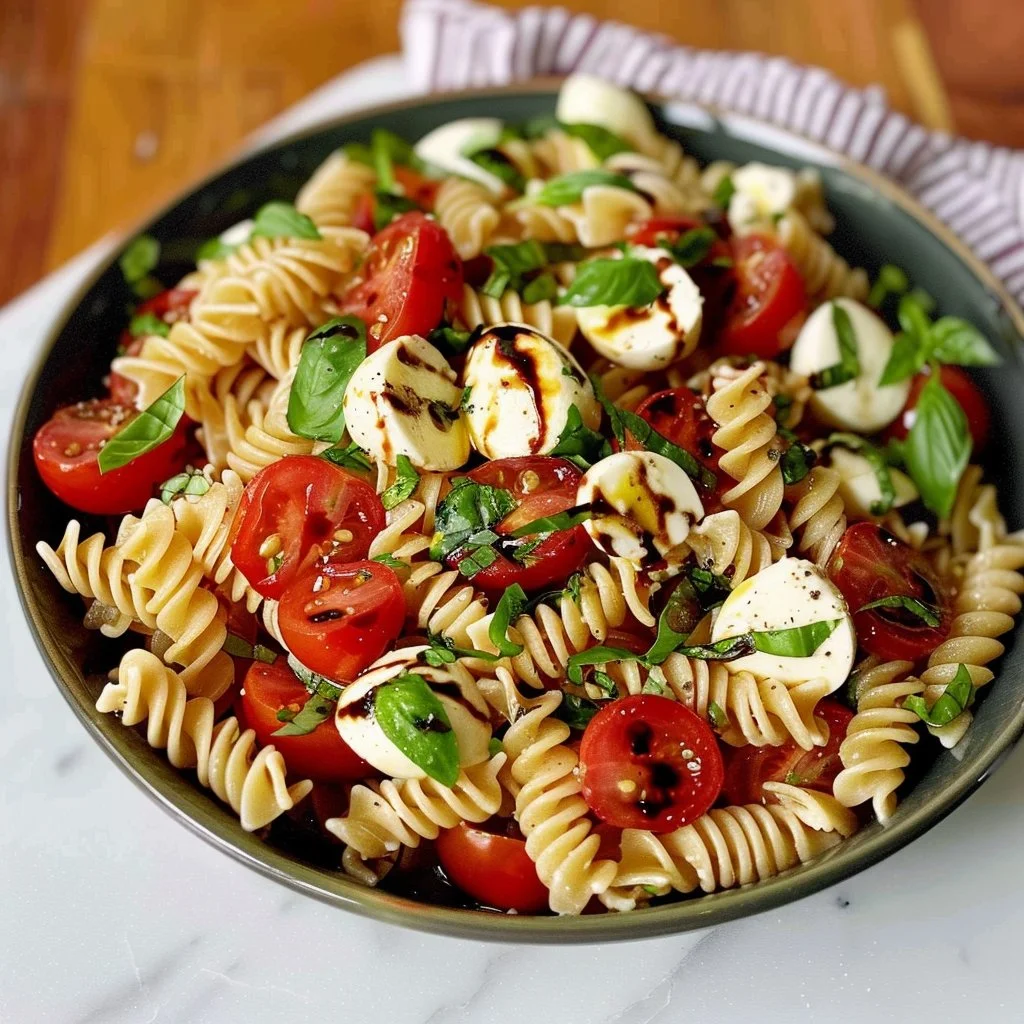

The Amazing Homemade Croissant Recipe You’ll Adore
Flaky, Buttery Perfection
In the heart of Orlando, where sunshine dances through palm fronds, I grew up with a deep affection for the heart and soul of baking. The memories of my childhood swirl around me like the sweet aroma of freshly baked croissants, each golden layer a tribute to my heritage.
My experiences pressing tortillas with my mama and mastering spices with my abuela taught me that cooking is a blend of art and love. Now, as I share this homemade croissant recipe, I invite you to create a flaky treasure in your own kitchen-a celebration of texture and flavor, brimming with warmth and nostalgia.
Quick Recipe Overview
- Prep Time: 30 minutes
- Cook Time: 15 minutes
- Total Time: 2 hours (includes chilling)
- Servings: 12 croissants
- Difficulty: Moderate
- Cuisine: French
- Best Season: Year-round
What Makes This Dish Shine
- Buttery Layers: The secret to perfect croissants lies within their flaky layers, achieved through the laminated dough technique. Each bite melts in your mouth, revealing a rich buttery flavor that’s simply irresistible.
- Fresh and Homemade: There’s nothing quite like the satisfaction of making croissants from scratch. The process might take time, but the reward is well worth it-fresh pastries that elevate any breakfast or brunch.
- Versatile Indulgence: Croissants can be enjoyed plain, or filled with jam, chocolate, or even savory ingredients like ham and cheese. They cater to all palates and can easily transform any occasion.
- Perfect for Sharing: Whether you’re hosting a brunch or just enjoying a cozy morning at home, warm croissants invite everyone to gather around the table and savor moments together.
Ingredients You’ll Need
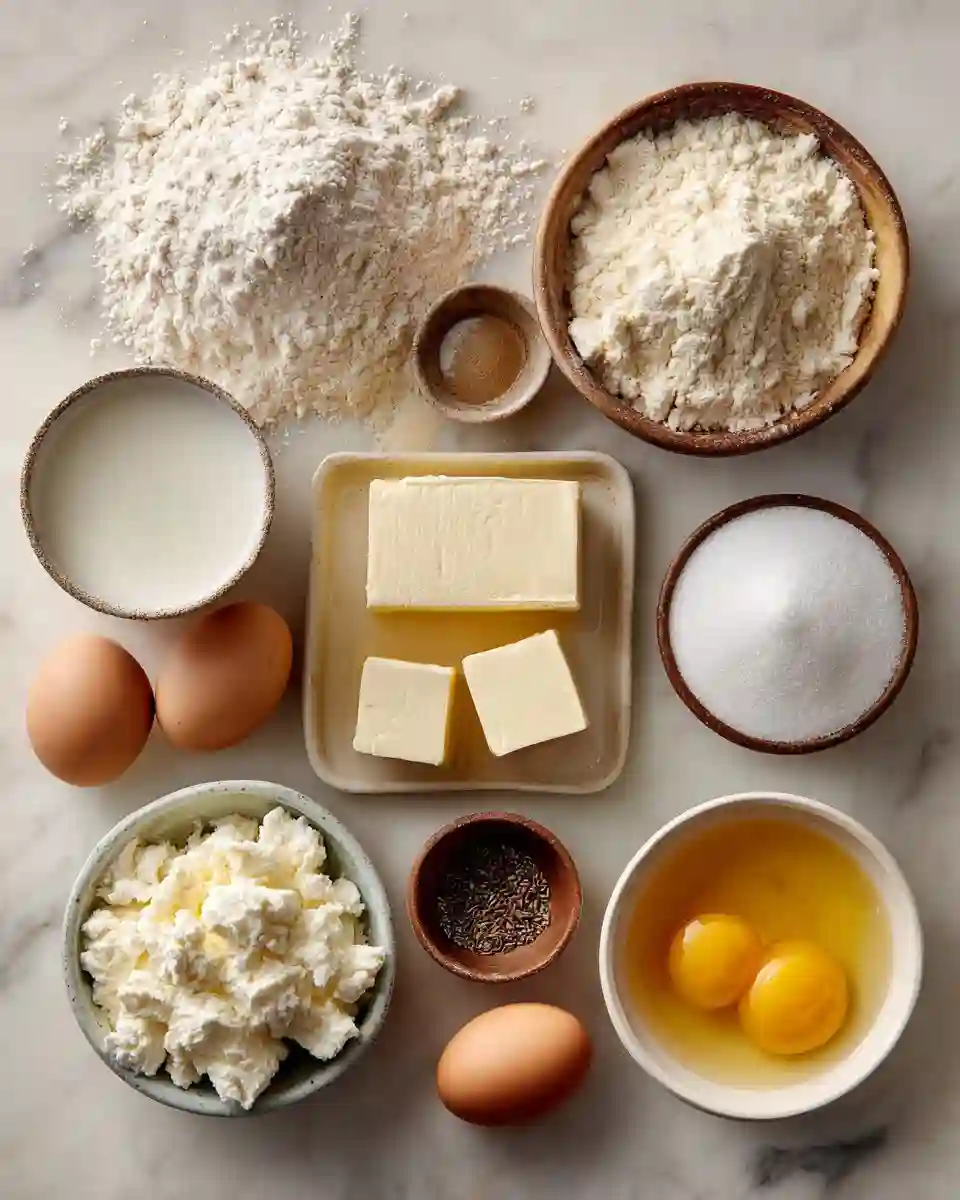
- 2 cups all-purpose flour
- 1 packet (2 1/4 tsp) instant yeast
- 1/4 cup granulated sugar
- 1/2 tsp salt
- 3/4 cup warm milk
- 1/2 cup unsalted butter, softened
- 1 egg, beaten (for egg wash)
Smart Ingredient Selections
- All-purpose flour: Swap for bread flour for a chewier texture.
- Instant yeast: Active dry yeast works, but you’ll need to activate it in warm water first.
- Unsalted butter: Use European-style butter for richer flavor and a higher fat content.
- Granulated sugar: Substituting with honey can add a subtle richness.
Step-by-Step Instructions
- In a large bowl, combine the flour, instant yeast, sugar, and salt thoroughly to ensure an even distribution of leavening and flavor.
- Gradually pour the warm milk into the dry mixture, stirring continuously until a rough dough begins to form.
- Transfer the dough to a lightly floured surface and knead for about 5 minutes until it becomes smooth and elastic, helping develop gluten for optimal structure.
- Using a rolling pin, flatten the dough into a rectangle approximately 1/4 inch thick to prepare for layering.
- Evenly spread the softened unsalted butter over the entire surface of the rolled dough to create the buttery layers characteristic of croissants.
- Fold the dough into thirds like a letter, turn it 90 degrees, and then roll it out again into a rectangle. This folding technique creates thin layers of dough and butter.
- Repeat the folding and rolling process two additional times to build multiple buttery layers. Wrap the dough tightly in plastic wrap and refrigerate for 1 hour.
- Preheat the oven to 375°F (190°C) and line a baking sheet with parchment paper for easy cleanup and to prevent sticking.
- Roll out the chilled dough into a large rectangle and cut it into triangles. Starting from the wide end, roll each triangle tightly toward the tip to form classic croissant shapes.
- Place the roll-shaped croissants spaced evenly on the prepared baking sheet, allowing room for expansion during baking.
- Brush the tops of each croissant with a beaten egg to give them a shiny, golden-brown finish when baked.
- Bake in the preheated oven for 12 to 15 minutes or until the croissants are puffed up and have a deep golden brown color.
- Remove from the oven and allow the croissants to cool slightly on a wire rack. Serve warm and enjoy the buttery, flaky deliciousness.
Pro Pointers for Best Results
- Temperature Matters: Ensure your butter remains cold during the rolling process to achieve those flaky, defined layers.
- Kneading Technique: Don’t rush the kneading; it’s crucial for gluten development, providing that perfect croissant structure.
- Chilling Time: Don’t skip any chilling; it’s essential for firming up the butter and allowing the gluten to relax.
- Oven Accuracy: Use an oven thermometer to ensure your temperature is accurate, which is vital for even baking and puffiness.
Creative Variations to Explore
- Almond Croissants: Fill with almond paste for a nutty twist that feels luxurious.
- Chocolate Croissants: Add chocolate chips or a strip of chocolate for rich, chocolaty goodness.
- Savory Croissants: Incorporate ham and cheese for a delightful savory option that’s perfect for brunch.
- Vegan-Friendly Version: Swap butter with plant-based alternatives and use almond milk in place of regular milk.
Perfect Pairings
- Morning Coffee: Enjoy with a rich cup of espresso or creamy cappuccino for that classic French café vibe.
- Fresh Fruits: Serve alongside fresh fruit or a light salad to balance the richness of the croissants.
- Sweet Jams: Spread raspberry or apricot jam for an added burst of flavor.
Storing and Reheating Tips
- Refrigerating Leftovers: Store any leftover croissants in an airtight container. Reheat in the oven at 350°F (175°C) for about 5 minutes to revive their flakiness.
- Freezing for Later: Wrap tightly in plastic wrap before placing in a freezer bag. They can last up to a month in the freezer. To enjoy, bake straight from frozen at 375°F (190°C).
Serving Suggestions
Presentation matters! Serve your golden croissants on a rustic wooden board alongside colorful fresh berries and a small dish of creamy butter. Add a sprig of mint for a pop of color and a touch of elegance that invites everyone to dig in.
Kitchen Secrets You’ll Love
- Pacing Your Dough: If you find the process overwhelming, break it into stages-make the dough one day and bake them fresh the next.
- Layering Tips: Always keep some extra flour on hand to prevent sticking, but avoid over-flouring, which can lead to dense croissants.
- Mind the Rest Time: Patience is key; allowing the dough to rest enables better layers and flavor development.
- Experimenting with Flavors: Don’t hesitate to add spices or herbs to the dough for a unique twist on a classic favorite.
Storage and Reheating Strategies
- For Best Texture: Instead of microwaving, use the stovetop or oven for reheating. A quick bake will regain that crispy outer layer.
- Preserve Freshness: If you find yourself with many leftovers, wrapping them well and freezing can keep them delicious for longer.
Frequently Asked Questions
Can I use regular all-purpose flour instead of bread flour?
Yes, while bread flour contributes to a chewier texture, all-purpose flour will still yield delicious croissants.How do I know when my croissants are done?
Look for a golden brown color and puffed appearance; they should feel light when lifted.Can I prepare the dough ahead of time?
Absolutely! Make the dough, let it chill, then shape and bake it fresh when you’re ready.Is there a gluten-free option for croissants?
Finding gluten-free pastry flour can be tricky; however, there are blends available that could work well, though results may vary.How can I avoid dough sticking while rolling?
Lightly flour your surface and the dough as needed, but be careful not to add too much flour, which can impact the final product.What should I do if my dough feels too dry?
If the dough is too dry, add a splash of warm milk gradually until it comes together nicely.How long will they stay fresh?
Homemade croissants are best enjoyed fresh but can last up to 2 days in an airtight container at room temperature.
Nutritional Info
- Serving Size: 1 croissant
- Calories: 205
- Protein: 4g
- Carbs: 22g
- Fat: 12g
- Fiber: 0g
- Sugar: 1g
Nutrition facts are estimates and may vary.
A Warm Reflection
Baking is a beautiful way to connect with one another, just as my past has woven together the culinary traditions of my family. In creating these delectable croissants, you’re not just indulging in a delightful treat but also carrying forward stories of heritage and love for food. Join me in transforming your kitchen into a haven of warmth and tradition.
Ending on a Delicious Note
With this homemade croissant recipe, you’re equipped to bake beautiful pastries that fill your home with irresistible aromas and cozy energy. Let your cooking journey be filled with passion, and don’t forget to share the love with friends and family. Happy baking!
Print
The Amazing Homemade Croissant
- Total Time: 120
- Yield: 12 croissants 1x
- Diet: Vegetarian
Description
A flaky, buttery homemade croissant recipe that celebrates texture and flavor.
Ingredients
- 2 cups all-purpose flour
- 1 packet (2 1/4 tsp) instant yeast
- 1/4 cup granulated sugar
- 1/2 tsp salt
- 3/4 cup warm milk
- 1/2 cup unsalted butter, softened
- 1 egg, beaten (for egg wash)
Instructions
- In a large bowl, combine the flour, instant yeast, sugar, and salt thoroughly.
- Gradually pour in the warm milk, stirring until a rough dough forms.
- Knead the dough on a floured surface for about 5 minutes until smooth and elastic.
- Flatten the dough into a rectangle about 1/4 inch thick.
- Spread the softened butter evenly over the dough.
- Fold the dough into thirds like a letter, rotate 90 degrees, and roll out again.
- Repeat this folding and rolling process two more times, then wrap tightly and refrigerate for 1 hour.
- Preheat the oven to 375°F (190°C) and line a baking sheet with parchment paper.
- Roll out the chilled dough into a rectangle and cut into triangles.
- Roll each triangle from the wide end to the tip to form croissant shapes.
- Place croissants on the prepared baking sheet, ensuring space between them.
- Brush with a beaten egg for a shiny finish.
- Bake for 12 to 15 minutes until golden brown and puffed. Cool slightly before serving.
Notes
Ensure butter is cold during rolling for flaky layers, and don’t skip chilling time for best results.
- Prep Time: 30
- Cook Time: 15
- Category: Pastry
- Method: Baking
- Cuisine: French
Nutrition
- Serving Size: 1 croissant
- Calories: 205
- Sugar: 1g
- Sodium: 200mg
- Fat: 12g
- Saturated Fat: 7g
- Unsaturated Fat: 4g
- Trans Fat: 0g
- Carbohydrates: 22g
- Fiber: 0g
- Protein: 4g
- Cholesterol: 30mg