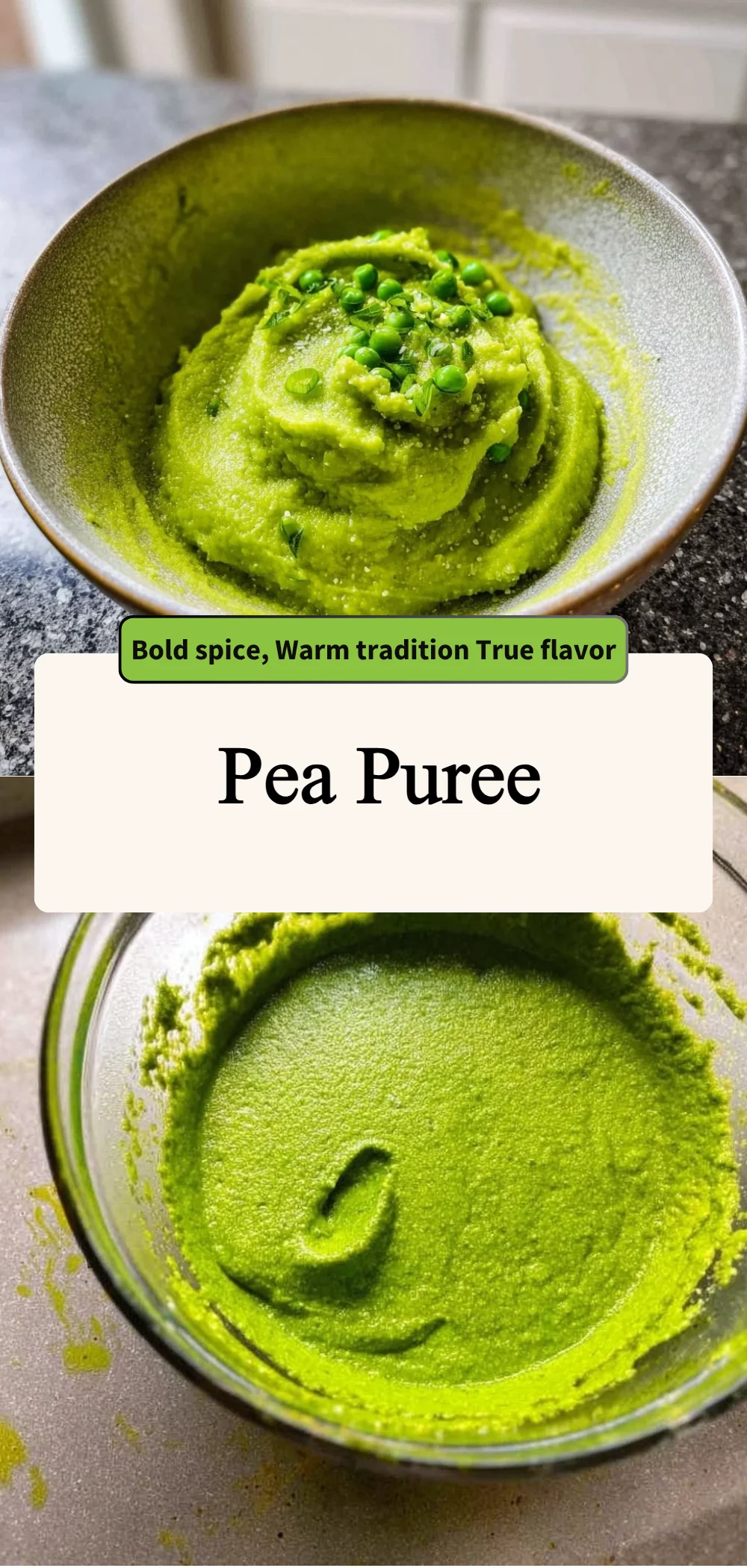
Pea Puree
Bright Green Comfort
INTRODUCTION
I grew up carrying memory like a warm plate, where kitchens were a map and green flavors meant comfort. The simple pleasure of a silky pea puree can transport you to sunny counters and laughter, folding tiny bright bites of garden into something smooth and soothing. This pea puree is quick to make, endlessly adaptable, and shines alongside grilled fish or a roast. It honors small, fresh ingredients and everyday generosity. The pea puree is perfect for weeknights or dinner parties, and if you want a crisp contrast try a salad like chickpea broccoli stir fry with garlic sauce today.
Quick Recipe Overview
- Prep Time: 10 minutes | Cook Time: 5 minutes | Total Time: 15 minutes
- Servings: 6 as a side | Difficulty: Easy | Cuisine: Modern European
- Best Season: Spring and early summer when peas feel most vibrant
Small Reasons To Love It
- Bright, garden flavor: The pea puree tastes like sunshine on a spoon because frozen peas retain vivid sweetness; it wakes up a plate with fresh green color that feels festive yet familiar. It is simple enough for weeknight dinners and elegant enough for a weekend gathering.
- Silky texture, effortless prep: A few minutes in a saucepan and a quick blitz deliver a luxuriously smooth puree; no special techniques are required for a pleasing result. This ease means you can focus on plating and company rather than complicated steps.
- Versatile company: Pea puree pairs beautifully with fish, chicken, or roasted vegetables, adding a creamy herb lift without heaviness. Serve it as a smear under seared fillets or a dollop alongside roasted baby potatoes for different moods.
- Subtle freshness: Mint and white pepper keep the flavor fresh and polite, not loud, so it enhances rather than overpowers other dishes. That makes it a reliable choice when you want a supporting player that still makes a statement.
What Goes Into It
- 1 kg / 2 lb frozen peas
- 125g / 8 tbsp butter (, unsalted)
- 2 garlic cloves, (minced)
- 2 medium eschalots (, finely sliced (ie the baby onions, aka French onions, US: shallots))
- 2 cups chicken or vegetable stock/broth (, low sodium (use vegetable stock if the puree is for fish))
- 1/4 tsp salt
- 1/8 tsp white pepper
- 1 small handfuls mint leaves ((optional))
Ingredient Notes And Swaps
- Peas : Frozen peas are best for sweetness and convenience; defrosting is not necessary because a brief simmer cooks them perfectly.
- Butter : Unsalted butter controls seasoning; substitute olive oil or vegan butter for a dairy-free or vegan version.
- Garlic : Mince finely so the garlic softens during the short sauté; roasted garlic can be swapped for a milder, sweeter note.
- Eschalots : Finely sliced eschalots gently melt into the puree for sweetness; thinly sliced red onion or shallot shall work if needed.
- Stock : Use low sodium stock so you can adjust salt at the end; use vegetable stock if serving with fish or for a vegetarian plate.
- Mint : Fresh mint adds lift and an aromatic green finish; omit for a purer pea flavor or swap for basil for a different herbal character.
Step-by-Step Cooking Directions
- Aromatics: Melt butter in a saucepan over medium heat. Add garlic and eschalots, saute 3 minutes until soft, but don’t let them go golden. Technique note: Keep the heat moderate so the aromatics soften without browning; stirring frequently keeps them glossy and sweet.
- Cook peas: Add frozen peas and stock, increase heat to bring to simmer then cover and reduce heat to medium. Simmer 2 minutes. Technique note: The short simmer warms the peas through without breaking down bright color; overcooking will dull the vibrancy.
- Reserve Liquid: Remove 1/3 cup liquid from the saucepan, reserve. Technique note: This reserved liquid is your tool for adjusting texture and offers the best dilution without losing flavor.
- Blitz: Transfer all peas and remaining liquid into a food processor. Add salt and pepper, and mint if using. Blitz on high for 1 minute until smooth. Technique note: Stop and scrape down the sides once or twice to ensure an even, silky texture.
- Optional straining: For extra smooth, press through a mesh colander with a rubber spatula (it’s easy). Technique note: If you want an ultra-silky puree for fine dining, this step removes tiny skins and gives a velvet mouthfeel.
- Adjust consistency: Use Reserved Liquid as needed to achieve the desired consistency – I like a soft, dolloping consistency. Sometimes people want it looser. Add more salt and pepper if desired – remember, this is not supposed to be strongly flavoured or seasoned! Technique note: Balance the liquid to keep the color bright; too much thinning can mute the taste.
- Serve warm. Either dollop/smear onto plates, or serve in bowls for people to help themselves. Technique note: Serve within an hour for the best color and brightness; if plating for a crowd, keep warm gently and stir before serving.
Chef-Level Pointers
- Texture control: A food processor gives body, but for the silkiest mouthfeel use an immersion blender and finish with a quick pass through a fine sieve. This double process creates a luxurious texture without thinning the flavor.
- Salt and seasoning timing: Add most salt after pureeing because the melting butter and stock concentrate differently once blended; correct seasoning at the end is more reliable. Taste as you go to avoid over-salting.
- Heat management: Keep the sauté low and the simmer brief to protect the bright green color; high heat will cause peas to lose vibrancy and take on an olive tint. Quick cooling or serving immediately preserves color and aroma.
- Herb nuance: Add mint sparingly and only if it complements the main dish; when in doubt, a single small handful will lift the puree without turning it into an herb sauce.
Playful Variations To Try
- Vegan version: Swap the butter for extra-virgin olive oil or vegan butter and use vegetable stock for a plant-based puree that still feels indulgent. A touch of lemon zest brightens the flavor and complements the oil base.
- Milder baby-friendly version: Omit white pepper and mint, and reduce salt for a gentle puree perfect for tiny eaters or those who prefer subtlety. Mix with a little plain yogurt or coconut yogurt for a creamy finish that softens the green intensity.
- Spicy green twist: Add a small pinch of smoked paprika or a drizzle of chili oil at the end to introduce warmth and smokiness. This pairs especially well with grilled meats or charred vegetables.
- Regional Mediterranean: Stir in crumbled feta or a splash of preserved lemon juice to tilt the flavor toward sun-drenched Mediterranean plates. Finish with toasted pine nuts for a textured contrast.
Perfect Pairings For Serving
- Sides: Serve the pea puree under seared scallops or roasted salmon for a striking color contrast and a sweet, vegetal counterpoint to rich fish. For a vegetarian plate, spoon it beneath roasted mushrooms and crispy shallots for earth and silk.
- Drink: A bright, zesty white wine or a citrusy sparkling water works beautifully to cut through butteriness and refresh the palate. For non-alcoholic pairings, a chilled cucumber lemonade adds a clean, green echo.
- Dessert ideas: Follow a green-forward savory starter with a light lemon tart or a simple pavlova topped with berries to keep the meal feeling fresh and balanced. A scoop of sorbet cleanses the palate and extends the bright theme.
- Salad companion: For a satisfying textural contrast, serve a crunchy, hearty salad such as chickpea feta avocado salad which adds creamy avocado, salty feta, and punchy chickpeas against the smooth puree.
Make-Ahead And Prep Plan
- Prep: Cook the aromatics and peas, then blitz and cool before storing for quick reheating on service day. Finish with a quick whisk of reserved liquid before serving to refresh the texture.
- Store: Keep in an airtight container in the refrigerator for up to 3 days; press a piece of plastic wrap directly on the surface to minimize oxidization and color loss. Rewarm gently to retain vibrancy.
- Freeze: Portion into ice cube trays for single-serving portions and freeze for up to 3 months; thaw in the refrigerator and reheat gently. This is an excellent way to preserve fresh green flavor without commitment.
- Reheat: Bring back to life over low heat with a splash of reserved stock or water, stirring constantly to prevent breaking. Avoid boiling which can dull color and change texture.
How To Serve And Present
- Plating: For a restaurant-style look, smear a spoonful into a crescent on the plate and nestle a protein on top, finishing with a drizzle of olive oil. Alternatively, serve in shallow bowls with contrasting textures arranged on top for a family-style feel.
- Garnishes: Finish with microgreens, a pinch of flaky salt, or a scattering of toasted seeds for visual interest and crunch. A few thin mint leaves or a light grind of white pepper adds aroma without cluttering the plate.
- Cozy vibes: Warm plates slightly before serving to keep the puree inviting; pair with crusty bread and a small bowl of lemon wedges to invite sharing around the table. Soft lighting and a simple linen napkin accentuate the homey charm.
Little Kitchen Secrets
- Color rescue: If the puree starts to look dull, plunge it into an ice bath immediately after cooking the peas to reset the green tone, then warm gently before serving. This quick shock preserves the chlorophyll and visual appeal.
- Flavor depth: Sweat the eschalots slowly until translucent to coax out their sweetness; rushed cooking will leave raw sharpness that stands out in a delicate puree. Low and slow pays flavor dividends here.
- Quiet emulsions: Add warm reserved liquid incrementally while blitzing to create a glossy emulsion that carries flavor and clings to proteins. Cold liquid can make the puree feel loose and separate.
- Fine sieve finish: Passing the puree through a fine sieve not only smooths texture but also helps remove any fibrous bits from peas for a refined mouthfeel. It is a small step with a big payoff when presentation matters.
Storing And Reheating Advice
- Microwave: Reheat single portions in short 20 to 30 second bursts on medium power, stirring between intervals to prevent hotspots and ensure even warmth. Add a teaspoon of reserved stock if texture tightens.
- Stovetop: Warm gently over low heat with a tablespoon of stock, stirring until just simmering then remove from heat to avoid overcooking. This method best preserves color and silkiness.
- Texture preservation: Avoid boiling and avoid reheating more than once; repeated heat cycles break down cell walls and dull color. Store in small portions to reheat only what you need.
Common Questions Answered
Can I make this pea puree without butter?
Yes, you can replace butter with olive oil or a plant-based margarine to make a dairy-free or vegan puree. Olive oil will add a fruity richness while vegan butter tries to mimic the creaminess. Adjust salt slightly because different fats carry seasoning differently.
Are frozen peas as good as fresh peas for this recipe?
Frozen peas are often sweeter and more consistent because they are flash-frozen at peak ripeness, making them ideal for purees. Fresh peas can work but may need slightly longer cooking and will vary in sweetness by season. The convenience of frozen peas is a big advantage for a reliable bright flavor.
How do I stop the puree from turning dull after cooking?
Avoid overcooking and cool quickly if not serving immediately; a brief simmer preserves color while ice-bathing works if you plan to serve it cold. Reheat gently and avoid boiling which damages the vibrant green. Using a small amount of acid like lemon juice sparingly right before serving can also brighten the flavor.
Can I freeze pea puree and how long will it last?
Pea puree freezes very well for up to three months when portioned into airtight containers or ice cube trays. Thaw overnight in the refrigerator and reheat gently with a splash of stock to refresh texture. Freezing can slightly change texture but flavor remains bright.
What proteins pair best with pea puree?
White-fleshed fish, seared scallops, roast chicken, and lamb all match beautifully because the puree adds sweetness and color contrast. For vegetarian main courses, roasted mushrooms or grilled halloumi work wonderfully. Use the puree as a bed or a side to add silk and freshness.
Is mint essential in this recipe?
No, mint is optional and lends a cool aromatic lift; omit it when you want an unadorned pea flavor. Other herbs like basil or chives are fine substitutes depending on the mood of the meal. Start with a small handful and taste so the herb remains complementary.
How smooth should the puree be for serving with fish?
For fish, aim for an ultra-smooth, glossy puree so it acts like a silky sauce under the fillet; a quick pass through a sieve will achieve that. For rustic sides or family meals, a little texture is charming and easier to make. Adjust mouthfeel to match the formality of the meal.
Nutrition Info
- Serving Size: about 1/2 cup
- Calories: approximately 120 kcal per serving
- Protein: 4 g
- Carbs: 10 g
- Fat: 8 g
- Fiber: 3 g
- Sugar: 3 g
Nutrition facts are estimates and may vary based on ingredients and portion sizes.
A Quiet Reflection On Flavor
Food carries us between kitchens and stories, and this pea puree is a small bridge between seasons and smiles. It honors humble peas with a gentle technique that keeps the flavor honest and the color joyful. Sharing a simple, bright green puree around a table invites conversation and small celebrations of everyday life, whether it is a weekday supper or a weekend brunch. Let this puree be a reminder that tiny, well-made things often become the most remembered parts of a meal.
Ready To Cook And Share
Pea puree offers a quick, vibrant way to lift any plate, and its gentle flavor makes it a trustworthy companion in the kitchen. Try the recipe, tweak it to your mood, and pin it for later so you can return to its comforting green glow. Cook it, share it, and enjoy the fresh, silky notes of a great pea puree.
Print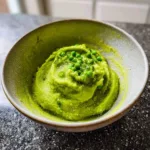
Pea Puree
- Total Time: 15 minutes
- Yield: 6 servings 1x
- Diet: Vegetarian
Description
A quick and vibrant pea puree that adds a silky texture and bright flavor to any plate, perfect for both weeknight meals and elegant gatherings.
Ingredients
- 1 kg frozen peas
- 125g unsalted butter
- 2 garlic cloves, minced
- 2 medium eschalots, finely sliced
- 2 cups low sodium chicken or vegetable stock
- 1/4 tsp salt
- 1/8 tsp white pepper
- 1 small handfuls mint leaves (optional)
Instructions
- Melt butter in a saucepan over medium heat. Add garlic and eschalots, sauté for 3 minutes until soft.
- Add frozen peas and stock, increase heat to bring to a simmer, then cover and reduce heat to medium. Simmer for 2 minutes.
- Remove 1/3 cup liquid from the saucepan, reserve.
- Transfer all peas and remaining liquid into a food processor. Add salt, pepper, and mint if using. Blitz on high for 1 minute until smooth.
- Press through a mesh colander for extra smoothness, if desired.
- Adjust consistency using reserved liquid as needed.
- Serve warm, dolloping or smearing onto plates.
Notes
For a vegan version, swap butter for olive oil and use vegetable stock. To enhance flavor, add a squeeze of lemon juice before serving.
- Prep Time: 10 minutes
- Cook Time: 5 minutes
- Category: Side Dish
- Method: Stovetop
- Cuisine: Modern European
Nutrition
- Serving Size: 1 serving
- Calories: 120
- Sugar: 3g
- Sodium: 300mg
- Fat: 8g
- Saturated Fat: 5g
- Unsaturated Fat: 3g
- Trans Fat: 0g
- Carbohydrates: 10g
- Fiber: 3g
- Protein: 4g
- Cholesterol: 25mg