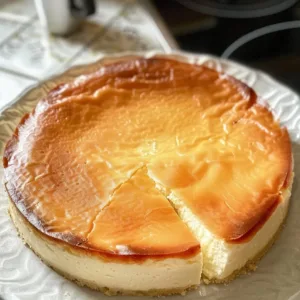
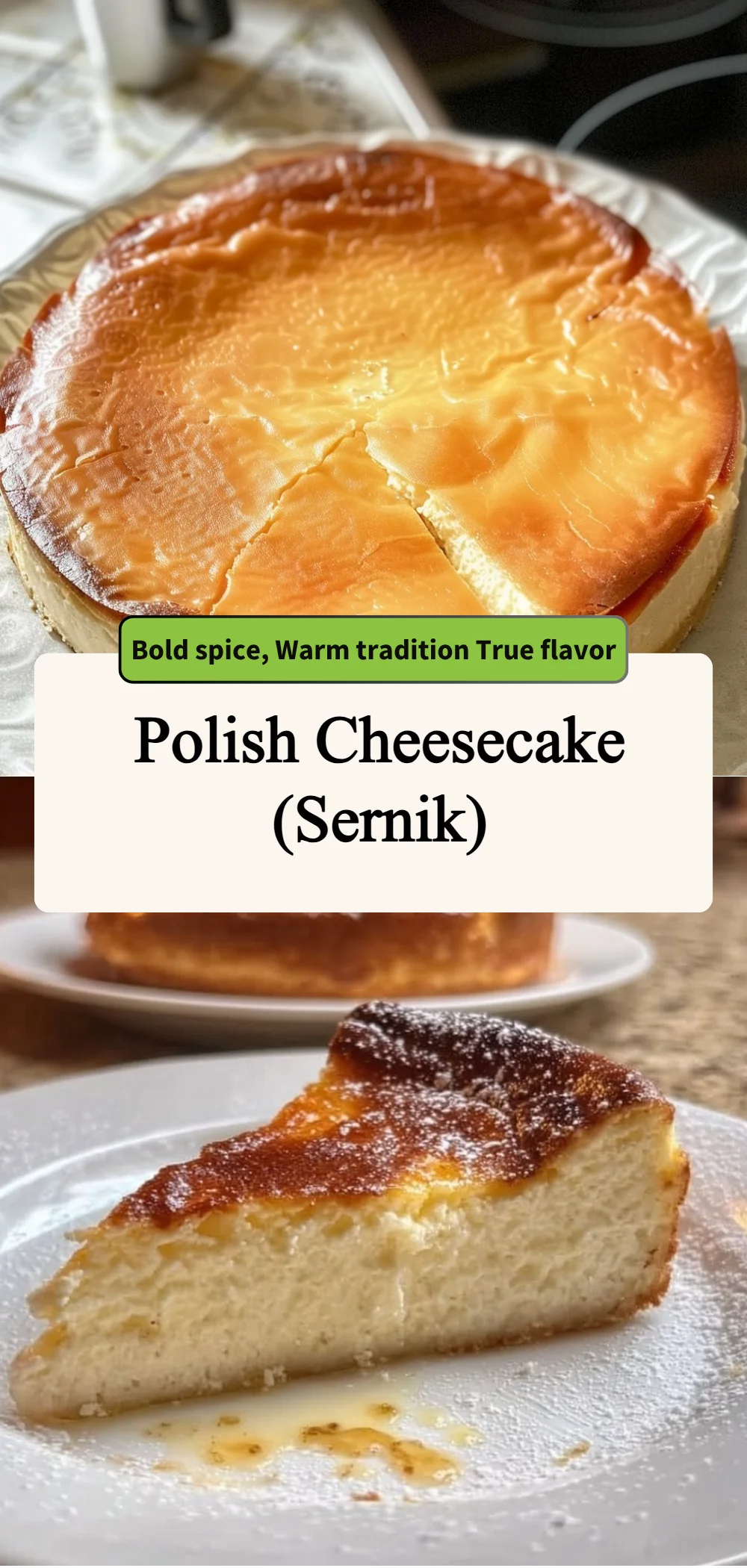
Polish Cheesecake (Sernik)
Classic Polish Cheesecake Delight
INTRODUCTION
Hola! I grew up in a small kitchen where Polish Cheesecake aromas mingled with laughter and a love for simple rituals. My happiest hours were spent at a counter, pressing dough and learning how flavors tell stories. Those moments taught me food is memory, kindness, and a way to gather people around a table. Today I bring that same warmth into baking Polish Cheesecake, coaxing curd into a tender, lemon-bright custard. I hope this Polish Cheesecake becomes your slow weekend ritual, a slice to pause and share. Serve with coffee or try a mini twist like mini strawberry cheesecakes.
Quick Recipe Overview
- Prep Time | 20 minutes
- Cook Time | 50–60 minutes
- Total Time | 4–6 hours (includes chilling)
- Servings | 8–10 slices
- Difficulty | Moderate
- Cuisine | Polish
- Best Season | Year-round
Four Reasons You Will Adore This Cake
- Silky, tangy, comforting: Polish Cheesecake balances a gentle curdled richness with bright lemon notes, offering a dessert that feels both homey and refined. It pairs beautifully with coffee for a cozy afternoon or a celebratory slice for special moments.
- Straightforward technique, big reward: The batter comes together with simple whisking and gentle folding, so beginners can feel confident while learning custard rhythm. The baking window is forgiving, and chilling makes the texture sublime.
- Versatile for any gathering: Whether it is a quiet weekend or a big family table, Polish Cheesecake adapts—dress it simply or crown it with fruit and jam. It translates across holidays and casual brunches with ease.
- Light but satisfying finish: Unlike some dense cheesecakes, this version leans into curd-like tenderness and a lemon lift that keeps each slice from feeling heavy. It invites seconds without overwhelming the palate.
Ingredients You Need for This Sernik
- 2 pounds of farmer’s cheese or cream cheese
- 1 cup of sugar
- 1 teaspoon of vanilla extract
- 3 large eggs
- 1/2 cup of sour cream
- 1 tablespoon of lemon juice
- 1 teaspoon of lemon zest
- 1/4 cup of butter, melted
- 1 pre-made graham cracker crust or sponge cake (optional)
Ingredient Notes and Smart Swaps
- 2 pounds of farmer’s cheese or cream cheese : Choose farmer’s cheese for a traditional curdy texture or cream cheese for a silkier finish; ensure it is room temperature so it blends smoothly.
- 1 cup of sugar : Granulated sugar is standard; for a gentler sweetness use superfine sugar which dissolves faster and keeps the batter velvety.
- 1 teaspoon of vanilla extract : Pure vanilla adds depth; if using vanilla bean, split and scrape for tiny flecks and extra aroma.
- 3 large eggs : Fresh eggs give structure; bring to room temperature to incorporate without overworking the batter.
- 1/2 cup of sour cream : Adds creaminess and tang; for lighter texture swap for Greek yogurt but taste and texture will shift slightly.
- 1 tablespoon of lemon juice : Fresh lemon juice brightens the curd; bottled lemon juice will work but fresh has livelier acidity.
- 1 teaspoon of lemon zest : Zest carries the essential oils that make the flavor sing; avoid the bitter white pith when zesting.
- 1/4 cup of butter, melted : Melted butter enriches the filling and helps mouthfeel; allow to cool slightly so it does not cook the eggs when mixed.
- 1 pre-made graham cracker crust or sponge cake (optional) : A graham crust adds a toasty contrast; a thin sponge cake base keeps things delicate and more traditional in some households.
Step-by-Step Baking Directions
- Preheat the oven to 350°F (175°C).
- In a large bowl, combine the cheese and sugar, mixing until smooth and well incorporated.
- Add in the vanilla extract, lemon juice, and lemon zest; mix well.
- Beat in the eggs one at a time, mixing until just combined.
- Stir in the sour cream and melted butter until smooth.
- Pour the mixture into the prepared crust or greased springform pan.
- Bake for about 50-60 minutes, or until the center is set and the top is lightly browned.
- Allow to cool, then refrigerate for at least 4 hours or overnight before serving.
Technique notes: Use low speed or gentle folding when combining eggs to retain a tender texture and avoid incorporating too much air that can cause cracks. A water bath is optional but helps even baking and reduces browning on top; if using one, wrap the springform with foil to prevent leaks. Always chill fully before slicing to let the custard set for clean, pretty slices.
Tiny Masterclass Tips from the Oven
- Temperature patience: Let the oven preheat fully and avoid opening the door during the first 30 minutes to maintain steady oven heat for even rise and gentle set. A few degrees difference can change baking time, so trust the 50–60 minute window and test the center for a slight jiggle.
- Texture control: If the top begins to brown too quickly, tent loosely with foil for the last 10–15 minutes of baking to preserve color without overcooking the interior. Cooling slowly in the turned-off oven with the door cracked for 10 minutes can also reduce shock and prevent cracks.
- Zest and citrus balance: Lemon juice brightens and lemon zest deepens the citrus profile; taste the batter briefly (before adding raw egg, or use a tiny warmed spoon) to adjust if you prefer a more pronounced lemon note.
- Cooling ritual: After removing from the oven, allow the cheesecake to cool at room temperature until slightly warm before refrigerating; this prevents condensation that can make the surface weep.
Ways to Twist This Traditional Sernik
- Vegan-style version: Replace dairy with a tofu and coconut cream blend, use vegan cream cheese alternatives, and swap eggs for a chickpea flour or aquafaba binder. Texture will be softer and less curdy, but spices like vanilla and lemon still shine, making a thoughtful plant-based take.
- Milder, custardy take: Use full cream cream cheese and reduce lemon juice slightly for a gentler tang that lets the sweet curd shine; this is ideal for those who favor a classic custard finish. Chill longer for a silkier mouthfeel that almost melts on the tongue.
- Spiced variation: Add a touch of warm spices such as cardamom or a hint of nutmeg alongside lemon zest for a cozy spice profile that pairs beautifully with coffee or chai. Keep spices light so they complement rather than overpower the delicate curd.
- Regional fruit accents: Swirl in a layer of plum or apricot jam before baking, or top post-chill with poached pears for a Central Europe-inspired finish; fruit adds color and a pleasant contrast to the lemon lift.
Perfect Pairings on the Plate
- Sides: Fresh berries, a bright berry compote, or lightly macerated stone fruit bring acidity and color to each slice and cut through richness with natural sweetness.
- Drink: A small cup of medium roast coffee or a bright, floral tea complements the cheesecake’s tang; late-afternoon gatherings pair especially well with lightly sweetened lattes. For a nonalcoholic celebratory sip, try sparkling water with a squeeze of lemon.
- Dessert lineup: Consider serving alongside a tart citrus sorbet for contrast or a small serving of whipped cream infused with vanilla and lemon to echo the cheesecake notes. For inspiration on fruity crumble complements, see this blueberry crumb cheesecake recipe that pairs nicely in a dessert spread.
Make-Ahead and Freezing Guidance
- Prep ahead: You can prepare the batter and bake the cheesecake a day before serving, letting it chill overnight to deepen flavor and texture. This makes it ideal for entertaining since slicing and plating are quicker the next day.
- Storing short-term: Keep wrapped tightly in plastic wrap or an airtight container in the refrigerator for up to 4 days to preserve moisture and prevent absorbing other fridge odors.
- Freezing for longer storage: Freeze individual slices on a tray until firm, then wrap each slice in plastic and foil and store in a sealed container for up to 2 months; thaw overnight in the refrigerator before serving.
- Reheating note: Gently bring slices to room temperature before serving; a quick 10-15 second zap in the microwave can soften very chilled slices, but avoid overheating which will alter the texture.
Serving and Presentation Ideas
- Simple elegance: Serve thin wedges on ceramic plates with a dusting of powdered sugar and a curl of lemon peel for a classic, understated look.
- Rustic charm: Spoon warm fruit compote over each slice for a homey, colorful presentation and finish with toasted almond slivers for crunch.
- Cozy table styling: Place small spoons of jam or a dollop of lightly whipped cream in tiny ramekins so guests can dress their own slice, encouraging interaction and personalization.
Little Tricks That Make Big Differences
- Room-temperature ingredients: Let cheese, eggs, and sour cream come to room temperature so they combine without lumps and the batter is silky; cold components make the mixture resistant and can cause curdling.
- Gentle mixing: Overbeating incorporates too much air and risks cracking; mix until just smooth and unified for the best texture.
- Lemon oil matters: Zest just before using to capture the brightest citrus oils; the aroma will lift the whole dessert and make it feel vibrant on the palate.
- Chill for structure: Do not skip the refrigeration step—chilling firms the custard, concentrates flavors, and makes slicing neat and satisfying.
Storing, Reheating, and Keeping Texture
- Refrigeration rules: Store covered in the fridge and eat within 3–4 days for best flavor and texture; keep away from strong-smelling foods.
- Freezer reheating: Thaw overnight in the refrigerator and bring to room temperature for 30 minutes before serving; avoid microwaving large slices which can turn the texture grainy.
- Texture preservation: Short refrigeration and gentle handling maintain creaminess; if the top looks dry, a light brush of warmed fruit jam brings shine and moisture back.
Common Questions Answered
What is the best cheese to use for authentic texture?
Traditionally, farmer’s cheese or a curd-style cheese gives Polish Cheesecake its characteristic slightly grainy, yet tender texture. Cream cheese yields a smoother, denser result that many people enjoy for its creaminess. Choose based on the texture you prefer and be sure to drain any excess whey if using a very moist curd cheese.
How do I avoid cracks on top of the cheesecake?
Avoiding cracks comes down to gentle mixing and steady baking temperatures, plus cooling slowly. Do not overbeat the batter, and consider a water bath or turning off the oven and letting the cake cool for a few minutes inside to prevent a sudden temperature shock.
Can I make this gluten-free?
Yes, using a gluten-free graham cracker crust or skipping the crust in favor of a thin almond meal base will keep the filling naturally gluten-free. Always check labels for hidden gluten if using pre-made crusts or cake layers.
Is it okay to use store-bought farmer’s cheese?
Absolutely; store-bought farmer’s cheese works well, but check for wetness and drain if the cheese seems very moist to avoid a weepy filling. If you prefer a smoother finish, choose cream cheese or briefly process the curd cheese in a food processor.
How long should I chill before serving?
Chill for at least 4 hours, though overnight is best for flavor development and a clean slice when plated. The longer rest allows the custard to fully set and the flavors to meld.
Can I add a fruit swirl to the batter?
Yes, a thin swirl of fruit jam or purée folded in just before baking adds color and flavor without compromising structure, as long as you keep it light and do not overmix the batter.
Nutrition Info
- Serving Size | 1 slice (approximate)
- Calories | 420 kcal
- Protein | 8 g
- Carbs | 28 g
- Fat | 32 g
- Fiber | 0.5 g
- Sugar | 18 g
Nutrition facts are estimates and may vary based on exact ingredients and portion size.
A Warm Note from the Kitchen
Making Polish Cheesecake feels like passing along a small, delicious ritual. It carries a heritage of simple ingredients elevated by care, citrus, and a patient chill. Every time this cake comes out of the fridge it brings a moment of calm and the kind of hospitality that invites conversation and second helpings. Baking it for friends or quiet moments is a way to celebrate comfort without fuss, and it always seems to brighten the table and the day.
Final Encouragement to Bake and Share
If you are longing for a dessert that is both tender and bright, Polish Cheesecake is a gentle, rewarding project worth trying. Slice it slowly, invite someone to share, and pin the recipe for the next cozy morning or evening gathering. Your kitchen will smell like lemon and warmth, and that lovely aroma is the beginning of another memory.
Print
Polish Cheesecake (Sernik)
- Total Time: 240 minutes
- Yield: 10 servings 1x
- Diet: Vegetarian
Description
Classic Polish Cheesecake brings together tender curd and bright lemon notes, creating a delightful dessert that’s perfect for sharing.
Ingredients
- 2 pounds of farmer’s cheese or cream cheese
- 1 cup of sugar
- 1 teaspoon of vanilla extract
- 3 large eggs
- 1/2 cup of sour cream
- 1 tablespoon of lemon juice
- 1 teaspoon of lemon zest
- 1/4 cup of butter, melted
- 1 pre-made graham cracker crust or sponge cake (optional)
Instructions
- Preheat the oven to 350°F (175°C).
- In a large bowl, combine the cheese and sugar, mixing until smooth and well incorporated.
- Add in the vanilla extract, lemon juice, and lemon zest; mix well.
- Beat in the eggs one at a time, mixing until just combined.
- Stir in the sour cream and melted butter until smooth.
- Pour the mixture into the prepared crust or greased springform pan.
- Bake for about 50-60 minutes, or until the center is set and the top is lightly browned.
- Allow to cool, then refrigerate for at least 4 hours or overnight before serving.
Notes
Let ingredients come to room temperature for best results. Use low speed or gentle folding to avoid cracks. Consider using a water bath for even baking.
- Prep Time: 20 minutes
- Cook Time: 60 minutes
- Category: Dessert
- Method: Baking
- Cuisine: Polish
Nutrition
- Serving Size: 1 slice
- Calories: 420
- Sugar: 18g
- Sodium: 250mg
- Fat: 32g
- Saturated Fat: 15g
- Unsaturated Fat: 10g
- Trans Fat: 0g
- Carbohydrates: 30g
- Fiber: 0.5g
- Protein: 8g
- Cholesterol: 200mg