Creamy Vegetable Primavera
Springy Spoonful Summary
INTRODUCTION
Hola! I carry a heart full of Mexico’s bright, soul-warming flavors and childhood kitchen memories into every dish I make, and those warm kitchens taught me that food is love and story in one simple bite. In my small Orlando kitchen I learned to press tortillas beside my mama and listen to my abuela’s spice lessons, and those lessons quietly travel into this dish. I fold those memories into a bright, satisfying Creamy Vegetable Primavera that smells like summer and feels like a hug. If you love layered vegetable comfort, try the best vegetable lasagna recipe for a heartier, oven-baked cousin to this creamy favorite.
Recipe at a Glance
- Prep Time | 10 minutes
- Cook Time | 15 minutes
- Total Time | 25 minutes
- Servings | 4
- Difficulty | Easy
- Cuisine | Comfort/Vegetarian
- Best Season | Spring and Summer
Why This Dish Warms the Table
- Bright, creamy flavor: Vegetables stay lively and vibrant while the cream and Parmesan add a velvety richness that rounds each bite. This balance makes it feel both light and indulgent, perfect for a weeknight or a special lunch.
- Gentle and quick to make: The recipe moves fast from stove to table, so you get fresh texture without fuss. It is ideal for cooks who want flavor without hours of prep.
- Versatile for occasions: Serve it casually with crusty bread or dress it up with roasted lemon for company. It feels right at a cozy family dinner or a small gathering with friends.
- Comfort that celebrates veggies: Each forkful highlights seasonal produce while offering that familiar comfort of a creamy sauce. It appeals to vegetable lovers and those easing back from heavier meals.
What Goes Into This Dish
- 1 cup asparagus, trimmed and cut into 2-inch pieces
- 1 cup zucchini, sliced
- 1 cup peas (fresh or frozen)
- 1 cup cherry tomatoes, halved
- 1 tablespoon olive oil
- 2 cloves garlic, minced
- 1/2 cup heavy cream
- 1/2 cup grated Parmesan cheese
- Salt and pepper to taste
- Cooked pasta of your choice (optional)
- Fresh basil or parsley for garnish (optional)
Smart Ingredient Swaps & Tips
- Asparagus : Choose firm, bright-green stalks with closed tips; if woody, peel lower stems or swap with green beans.
- Zucchini : Look for glossy, unblemished skins and gently squeeze for firmness; summer squash also works well.
- Peas : Fresh peas pop with sweetness; frozen are perfectly fine and add convenience, do not thaw first.
- Cherry tomatoes : Ripe and fragrant tomatoes add juiciness; if not available, use halved grape tomatoes or diced roma for less juice.
- Olive oil : Use extra virgin for flavor, but any neutral oil can be used for higher-heat cooking.
- Garlic : Fresh minced garlic offers the best fragrance; garlic powder can be used sparingly in a pinch.
- Heavy cream : For a lighter version use half-and-half plus a teaspoon of cornstarch to thicken, or coconut cream for dairy-free cooking.
- Parmesan cheese : Freshly grated melts into the sauce best; pre-grated is okay but may be grainier.
Step-by-Step Stove Notes
- In a large skillet, heat olive oil over medium heat. Add garlic and sauté until fragrant.
- Add the asparagus and zucchini; cook for about 5 minutes until tender.
- Stir in the peas and cherry tomatoes; cook for an additional 3-4 minutes.
- Pour in the heavy cream and bring to a simmer. Add the Parmesan cheese, stirring until melted and the sauce is creamy.
- Season with salt and pepper to taste.
- If desired, toss with cooked pasta.
- Serve warm, garnished with fresh basil or parsley.
Technique notes: Use a wide skillet so vegetables cook evenly and have room to caramelize slightly without steaming. Keep the heat moderate when you add cream to prevent scorching, and stir constantly when adding Parmesan to create a silky sauce. If tossing with pasta, reserve a few tablespoons of pasta water to loosen the sauce and help it cling to noodles.
Pro-Level Pointers for Best Results
- Timing matters: Add vegetables in stages by firmness to keep texture; asparagus and zucchini first, peas and tomatoes last, so everything finishes together without turning mushy.
- Heat control: Medium heat gives vegetables a nice sear and keeps the cream from boiling, which preserves a smooth texture and fresh flavor.
- Cheese technique: Grate Parmesan fresh and add it off the heat if your skillet is very hot to avoid graininess; stir until melted and glossy for the best mouthfeel.
- Finish with acid: A squeeze of lemon or a splash of vinegar right before serving brightens the cream and balances richness, making the dish feel lighter and more complex.
Flavor Twists and Friendly Variations
- Vegan swap: Replace heavy cream with full-fat coconut milk and use a nutritional yeast and cashew blend in place of Parmesan for a creamy, dairy-free version. Add a touch of lemon to lift the coconut flavor so the vegetables still sing.
- Milder family-friendly version: Omit any heat and use sweet peas and tender zucchini, finishing with a sprinkle of mild cheddar or a bit of cream cheese for a kid-friendly creaminess. Serve with small pasta shapes for little hands.
- Spicy option: Stir in a pinch of red pepper flakes when sautéing garlic, or finish with a drizzle of chili oil for a warm kick. A smoky paprika adds depth without overwhelming the vegetables.
- Regional inspiration: Add a spoonful of roasted poblano puree for a smoky Mexican twist, or fold in basil pesto for an Italian flair that pairs beautifully with the Parmesan.
Pairings to Build a Meal
- Sides: Serve with warm crusty bread or garlic-toasted baguette slices to sop up sauce, or a simple green salad dressed in lemon vinaigrette to contrast the cream.
- Drinks: A crisp white wine substitute like chilled sparkling water with lemon or a light iced tea complements the cream. For non-alcoholic pairings, a citrusy agua fresca or a rosemary lemonade brightens the plate.
- Dessert: Finish with a fresh fruit tart or light yogurt panna cotta to keep the meal feeling balanced and not overly heavy.
Prep Ahead, Storage, Freeze, Reheat
- Prep: Chop vegetables and grate cheese up to a day ahead and store separately in airtight containers to speed weeknight assembly. Garlic can be minced and held in a small sealed container in the fridge.
- Store: Refrigerate leftovers in an airtight container for up to 3 days; cool to room temperature before sealing to protect texture.
- Freeze: This dish is best frozen without cream to preserve texture; freeze the cooked vegetables alone for up to 2 months and add fresh cream and Parmesan when reheating.
- Reheat: Gently warm on the stovetop with a splash of milk or cream to restore silkiness, stirring until hot and glossy.
Serving with Style and Cozy Vibes
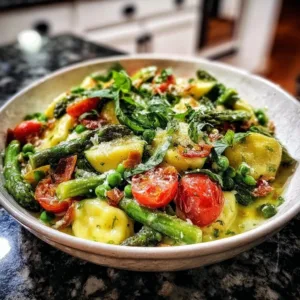
- Plating: Scoop a generous portion of vegetables and sauce atop a bed of pasta or grains, then finish with a sprinkle of grated Parmesan and a scattering of torn basil leaves. Use shallow bowls to showcase the sauce and allow steam to carry aroma to the diner.
- Presentation: Contrast the creamy sauce with a few whole or halved cherry tomatoes on top for color, and add a lemon wedge for diners who want an extra bright finish.
- Atmosphere: Serve with candles or soft music for an intimate weeknight treat, or on a sunny patio with friends where the flavors feel light and celebratory.
Little Kitchen Secrets from Many Stovetops
- Salt the vegetables lightly while cooking to coax out sweetness and encourage caramelization; season again at the end to taste.
- Use the skillet leftover fond: If bits stick after sautéing, deglaze with a spoonful of pasta water or stock before adding cream to capture extra flavor.
- Texture contrast: Reserve a few blanched asparagus tips to add at the end for a tender-crisp bite and visual appeal.
- Herb timing: Add delicate herbs like basil at the very end to keep their fragrance bright, and sturdier herbs like parsley can be added earlier.
Storing Without Losing Creaminess
- Microwave reheating: Warm short bursts at medium power, stirring between intervals and adding a splash of milk or cream to bring back silkiness. Cover loosely to trap steam while preventing boil-over.
- Stovetop reheating: Use a low heat setting, add 1 to 2 tablespoons of liquid per cup of leftovers, and stir gently until warmed through to maintain texture.
- Texture preservation: Avoid overheating or boiling after adding cream to prevent separation; reheating gently keeps the sauce smooth and cohesive.
Common Questions Answered
How long can I keep leftovers in the fridge?
Leftovers will stay good for up to three days in a sealed container if cooled promptly. Reheat gently on the stovetop with a splash of milk to refresh the sauce. If you notice any off smells or a change in texture, discard.
Can I make this dairy-free without losing creaminess?
Yes, use full-fat coconut milk or a cashew cream made by blending soaked cashews with water until smooth. Nutritional yeast adds a savory, cheesy note when you want a Parmesan substitute. Finish with a squeeze of lemon to balance the coconut flavor if using that option.
Is it okay to use frozen peas and how do they affect cooking?
Frozen peas are a great time-saver and retain sweetness when added straight from the freezer. Add them near the end of cooking so they warm through without becoming mushy. They also help cool the pan a bit, which is helpful before adding cream.
What pasta shapes work best with this sauce?
Short shapes like penne, farfalle, or fusilli catch the sauce and vegetable bits nicely, while long strands like spaghetti also work if you toss well. For a lower-carb option, serve over zucchini ribbons or spaghetti squash.
Can I prepare this dish for a crowd?
Scale the ingredients and use a wide, deep skillet or a shallow pan in the oven to keep everything warm. Keep sauce a little looser and offer grated cheese and herbs at the table so guests can finish to taste.
How do I prevent the sauce from breaking?
Keep the heat moderate when adding cream and add the Parmesan slowly while stirring. If the sauce begins to separate, remove from heat and whisk in a small splash of warm liquid, such as pasta water or milk, to re-emulsify.
Nutrition Snapshot
- Serving Size | ~1 plate (varies if served with pasta)
- Calories | ~350 kcal (without pasta)
- Protein | ~10 g
- Carbs | ~18 g
- Fat | ~26 g
- Fiber | ~4 g
- Sugar | ~6 g
Nutrition facts are estimates and may vary based on brands and portion sizes.
A Note From The Kitchen
This recipe is a small celebration of shared kitchens, seasonal markets, and quiet weeknight rituals that bring people together. It honors the idea that simple vegetables, handled with care and a little cream, can create a comforting, memorable meal. Let these flavors remind you of warm conversations around a table and the way a single plate can invite stories and smiles. Cook it for yourself or for others and notice how a modest dinner can become a gentle gift.
Warm Send-Off
If you try this Creamy Vegetable Primavera, let it be a gentle spoonful of comfort on a busy evening and a bright plate for company. Pin this recipe, share it with a friend, and enjoy the way fresh vegetables and creamy sauce come together to feel like home.
Print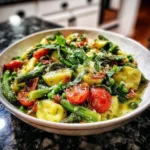
Creamy Vegetable Primavera
- Total Time: 25 minutes
- Yield: 4 servings 1x
- Diet: Vegetarian
Description
A bright and comforting dish featuring sautéed seasonal vegetables in a rich, creamy sauce.
Ingredients
- 1 cup asparagus, trimmed and cut into 2-inch pieces
- 1 cup zucchini, sliced
- 1 cup peas (fresh or frozen)
- 1 cup cherry tomatoes, halved
- 1 tablespoon olive oil
- 2 cloves garlic, minced
- 1/2 cup heavy cream
- 1/2 cup grated Parmesan cheese
- Salt and pepper to taste
- Cooked pasta of your choice (optional)
- Fresh basil or parsley for garnish (optional)
Instructions
- Heat olive oil in a large skillet over medium heat. Add garlic and sauté until fragrant.
- Add the asparagus and zucchini; cook for about 5 minutes until tender.
- Stir in the peas and cherry tomatoes; cook for an additional 3-4 minutes.
- Pour in the heavy cream and bring to a simmer. Add the Parmesan cheese, stirring until melted and creamy.
- Season with salt and pepper to taste.
- If desired, toss with cooked pasta.
- Serve warm, garnished with fresh basil or parsley.
Notes
For a lighter version, substitute heavy cream with half-and-half or coconut cream. For a vegan option, use coconut milk and nutritional yeast.
- Prep Time: 10 minutes
- Cook Time: 15 minutes
- Category: Main Course
- Method: Sautéing
- Cuisine: Comfort/Vegetarian
Nutrition
- Serving Size: 1 plate
- Calories: 350
- Sugar: 6g
- Sodium: 400mg
- Fat: 26g
- Saturated Fat: 14g
- Unsaturated Fat: 10g
- Trans Fat: 0g
- Carbohydrates: 18g
- Fiber: 4g
- Protein: 10g
- Cholesterol: 30mg