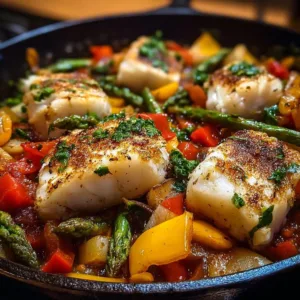
Fish and Veggie Skillet Easter Delight
Bright Spring Skillet Meal
INTRODUCTION
A childhood in sunlit kitchens taught me that bold flavors, warm hands, and shared laughter are the truest comforts. Between pressing tortillas and watching fresh chiles steam I learned that recipes carry memory and welcome. Those afternoons taught patience, spice balance, and a love for seasonal produce. Today I bring that spirit to a bright skillet dinner turning spring harvest into celebration. The Fish and Veggie Skillet Easter Delight feels like a bridge between memory and weekday ease. Fish and Veggie Skillet Easter Delight sings of lemon, herbs, and colorful vegetables in every forkful. If you love quick skillet ideas, you might also enjoy a speedy air fryer chicken and veggie option.
Quick Recipe Overview
- Prep Time: 15 minutes | Cook Time: 15 minutes | Total Time: 30 minutes
- Servings: 4 | Difficulty: Easy | Cuisine: Spring Mediterranean-inspired
- Best Season: Spring | Bright, fresh produce shines here
Reasons This Dish Charms
- Vibrant flavor and fresh aroma: Lemon, dill, and parsley lift the fish while cherry tomatoes pop with juicy sweetness. Each bite feels lively and bright, perfect for a spring table.
- Simple, one-skillet cooking: Everything finishes together so cleanup is quick and the kitchen smells inviting. One-pan meals are ideal for busy weeknights and casual gatherings.
- Light but satisfying: Firm white fish flakes gently and pairs with crisp asparagus for a balanced plate. It feels nourishing without being heavy, a welcome change when warmer days arrive.
- Festive enough for company: The colors read like a celebration on the plate, and the herb finish looks elegant with minimal fuss. It’s a lovely main when entertaining without a long ingredient list.
Spring Ingredient Lineup
- 1.5 lbs White Fish Fillets (Cod, Halibut, or Tilapia): Choose firm, white fish fillets, about 1-inch thick, skinless and boneless. Cod offers a mild flavor and flakes beautifully, halibut is richer and firmer, while tilapia is a budget-friendly and readily available option.
- 1 lb Asparagus: Fresh asparagus spears, trimmed to remove tough ends. Asparagus adds a delicate, slightly grassy flavor and a vibrant green color to the dish, perfectly embodying spring.
- 1 Red Bell Pepper: One medium-sized red bell pepper, cored, seeded, and sliced into strips. Red bell peppers bring sweetness and a pop of color, as well as important vitamins.
- 1 Yellow Bell Pepper: One medium-sized yellow bell pepper, cored, seeded, and sliced into strips. Yellow bell peppers contribute a milder sweetness than red and further enhance the visual appeal of the skillet.
- 1 cup Cherry Tomatoes: Fresh cherry tomatoes, halved. Cherry tomatoes burst with juicy sweetness when cooked, adding a delightful tang and vibrant red specks throughout the dish.
- 1 Red Onion: One medium-sized red onion, thinly sliced. Red onion provides a slightly pungent and sweet flavor that mellows beautifully as it cooks, adding depth to the vegetable medley.
- 2 cloves Garlic: Fresh garlic cloves, minced. Garlic is a flavor powerhouse, adding aromatic warmth and complexity to the dish.
- 1/4 cup Fresh Lemon Juice: Juice of about 1-2 lemons. Fresh lemon juice brightens the flavors, adds acidity to balance the richness, and complements both fish and vegetables perfectly.
- 1/4 cup Olive Oil: Extra virgin olive oil. Olive oil is used for sautéing the vegetables and fish, adding healthy fats and a smooth, rich flavor base.
- 2 tablespoons Fresh Parsley: Fresh parsley, chopped. Parsley adds a fresh, herbaceous note and a touch of green garnish, enhancing the overall flavor and presentation.
- 2 tablespoons Fresh Dill: Fresh dill, chopped. Dill brings a unique, slightly tangy and grassy flavor that pairs exceptionally well with fish and spring vegetables.
- 1 teaspoon Dried Oregano: Dried oregano. Oregano adds a warm, slightly peppery and earthy Mediterranean flavor that complements the other herbs and vegetables.
- 1/2 teaspoon Salt: Table salt or sea salt. Salt enhances the flavors of all the ingredients and is essential for seasoning.
- 1/4 teaspoon Black Pepper: Freshly ground black pepper. Black pepper adds a subtle spice and depth of flavor.
- Optional: Lemon wedges for serving: Fresh lemon wedges for extra zest when serving.
Ingredient Swaps & Notes
- White Fish Fillets : Swap with firm tofu or tempeh for a vegetarian version; press and pat dry to sear nicely. Choose the thickest pieces so they hold together during cooking.
- Asparagus : Substitute with green beans or young broccoli florets if asparagus is out of season; look for bright color and snap when bent. Freshness is obvious when tips feel firm, not mushy.
- Cherry Tomatoes : Use halved grape tomatoes or a few chopped plum tomatoes; ripe tomatoes will smell sweet at the stem end. If tomatoes are very watery, drain a bit to avoid diluting the pan sauce.
- Fresh Herbs : Parsley and dill can be swapped for basil or cilantro depending on regional flavor preferences; chop finely and add at the end. Dried herbs can stand in for fresh in a pinch, but reduce the amount and add earlier in cooking.
Step-by-Step Skillet Guide
- Prepare the Vegetables: Begin by washing and preparing all the vegetables. Trim the woody ends of the asparagus spears. Core, seed, and slice the red and yellow bell peppers into strips. Halve the cherry tomatoes. Thinly slice the red onion. Mince the garlic cloves. Having all the vegetables prepped and ready to go will make the cooking process smooth and efficient.
- Sauté Aromatics: Heat olive oil in a large skillet over medium heat. Once the oil is shimmering, add the sliced red onion and minced garlic. Sauté for about 3-5 minutes, or until the onions become softened and translucent and the garlic is fragrant. Be careful not to burn the garlic, as it can become bitter. Stir occasionally to ensure even cooking. This step is crucial for building a flavorful base for the dish.
- Add Hearty Vegetables: Add the bell pepper strips and asparagus spears to the skillet with the softened onions and garlic. Continue to sauté for another 5-7 minutes, stirring occasionally, until the vegetables are tender-crisp. You want them to be cooked through but still retain a slight bite. Don’t overcook them at this stage as they will continue to cook with the fish.
- Incorporate Tomatoes and Seasoning: Add the halved cherry tomatoes to the skillet. Stir gently to combine them with the other vegetables. Sprinkle the dried oregano, salt, and black pepper evenly over the vegetables. Continue to cook for another 2-3 minutes, allowing the tomatoes to soften slightly and release some of their juices, creating a light sauce in the skillet. The oregano will infuse its aromatic flavor into the vegetables, and the salt and pepper will season them perfectly.
- Prepare the Fish: While the vegetables are cooking, pat the fish fillets dry with paper towels. This step is important to ensure that the fish sears nicely and doesn’t steam in the skillet. Drying the fish also helps the seasonings adhere better.
- Create Space and Add Fish: Gently push the vegetables to the sides of the skillet to create space in the center. Place the fish fillets in the center of the skillet. Ensure that the fish is in a single layer and not overcrowded, as overcrowding can lead to steaming rather than searing.
- Cook the Fish: Pour fresh lemon juice evenly over the fish fillets and vegetables in the skillet. This will add brightness and flavor to both the fish and the vegetables. Cover the skillet with a lid or aluminum foil. Reduce the heat to low-medium and cook for about 5-8 minutes, or until the fish is cooked through and flakes easily with a fork. The cooking time will depend on the thickness of the fish fillets. Avoid overcooking the fish, as it can become dry.
- Check for Doneness: To check if the fish is done, gently flake it with a fork. If it flakes easily and is opaque throughout, it is cooked. The internal temperature of cooked fish should reach 145°F (63°C).
- Garnish and Serve: Once the fish is cooked, remove the skillet from the heat. Sprinkle the chopped fresh parsley and dill over the fish and vegetables. This adds a final burst of fresh flavor and vibrant green color.
- Serve Immediately: Serve the Fish and Veggie Skillet Easter Delight immediately. For an extra touch, serve with lemon wedges on the side, allowing guests to add an extra squeeze of lemon juice if desired. Enjoy this flavorful and healthy skillet meal!
Technique notes: Use a heavy-bottomed skillet for even heat. Patting the fish dry and giving it space ensures a gentle sear. If the tomato juices reduce too quickly, add a splash of vegetable or chicken stock to loosen the pan sauce.
Pro Moves and Timing
- Control your heat: Medium to medium-high for sautéing, then lower to finish the fish so it stays moist. This helps the vegetables caramelize without burning while the fish cooks gently inside.
- Herb timing matters: Add delicate herbs like parsley and dill at the end to preserve fresh brightness. Dried herbs can be added earlier to bloom their flavors.
- Thickness guides cook time: Thicker fillets will take longer; plan 5-8 minutes covered for average 1-inch fillets and check often. If fillets are very thin, reduce the covered cooking time to avoid dry flakes.
- Make a loose pan sauce: Let tomatoes release juices and lift browned bits with lemon juice and a splash of stock if needed for a light sauce. This keeps each bite moist and ties the ingredients together.
Flavor Variations to Try
- Vegan swap: Replace the fish with firm pan-seared tofu or tempeh, marinated briefly in lemon, olive oil, and dill for similar brightness. Sear until golden and continue with the vegetables for a satisfying plant-based version.
- Mild and family-friendly: Reduce black pepper slightly and remove any unexpected herbs; keep lemon and parsley for a mild, approachable plate that kids enjoy. Serve with buttery mashed potatoes or plain rice to keep the flavors gentle.
- Add a little heat: Stir in a pinch of red pepper flakes or finish with a drizzle of chili oil for a warm kick that complements lemon and tomato. A touch of smoked paprika can also add depth without overwhelming the dish.
- Regional twist: Add olives, capers, and a splash of pomegranate molasses for a Mediterranean-Persian fusion. Those briny and sweet notes pair beautifully with the fish and spring vegetables.
What To Serve Alongside
- Sides: Crusty bread or herbed couscous to soak up the pan juices, buttery new potatoes, or a light lemon quinoa. Pick starches that will carry the bright sauce.
- Drink: A crisp white wine alternative such as sparkling water with lemon or a citrusy iced tea pairs beautifully with the lemon and dill notes. For brunch, a light, herbal mocktail works well.
- Dessert: Finish with a citrusy dessert like lemon bars or a simple fruit tart to echo the bright flavors of the main course.
Prep Ahead and Plan
- Prep: Trim and slice vegetables and chop herbs up to a day ahead and store in airtight containers in the fridge. Keep fish chilled and pat dry only when ready to cook.
- Store prepped vegetables for 24 hours and keep tomatoes separate to avoid excess moisture. Pre-measured spices in small bowls speed the cooking process.
- Freeze: If you want to freeze the dish, cook the fishless vegetable base and freeze in portions; add freshly cooked or thawed fish when reheating to preserve texture. Thaw in the refrigerator overnight before finishing with fish.
Plating and Cozy Presentation
- Plating: Serve the fish fillets atop the colorful vegetable bed so the bright tomatoes and peppers frame the fish. Sprinkle fresh parsley and dill over the top and add lemon wedges for a final flourish.
- Cozy vibes: Present the skillet family-style on the table so guests can serve themselves; warm serving bowls and a linen napkin create a welcoming scene. Soft lighting and a simple vase of spring flowers will complete an intimate, cheerful meal.
Little Kitchen Secrets
- Hot pan, then gentle finish: Start on higher heat to develop color in the vegetables, then lower heat and cover to finish the fish gently. This dual approach builds flavor without drying out the fish.
- Salt early, adjust later: Season vegetables during cooking but save a small pinch of finishing salt after tasting to balance acidity and sweetness. Coarse finishing salt on the fish at the end adds texture.
- Lemon as a binder: Fresh lemon juice added before covering not only flavors the fish but helps steam the fish evenly with bright acidity. Always taste and add a touch more if the dish needs lifting.
- Rest time: Let the skillet rest for a minute off heat before serving; flavors meld and the dish settles so each bite is coherent and harmonious.
Keep and Reheat Wisdom
- Refrigerator: Store leftovers in an airtight container for up to 2 days to preserve texture and freshness. Reheat gently on the stovetop over low heat to avoid drying the fish and stir the vegetables occasionally.
- Microwave: Use 50 to 70 percent power and short bursts of 30 seconds, stirring between bursts to warm through without overcooking. Add a splash of water or stock to maintain moisture.
- Freezing: Freeze the vegetable base separately for up to 3 months; avoid freezing cooked fish to preserve flaky texture. Thaw overnight in the refrigerator before reheating and adding fresh fish if desired.
Helpful Questions Answered
How do I tell if the fish is cooked without a thermometer?
Gently flake the fish with a fork; it should separate into flakes and be opaque throughout. If a thin translucent line remains in the center, cook a little longer and check again every minute until fully opaque. Avoid overcooking which makes the fish dry.
Can I use frozen fish fillets for this recipe?
Yes, frozen fillets work well if thawed completely in the refrigerator and patted dry before cooking. Thawing in cold water sealed in a bag is faster but should be done carefully and finished right away. Always ensure the fish reaches the proper doneness before serving.
What if my vegetables release too much water?
Sauté a bit longer to evaporate excess moisture or increase heat slightly to encourage caramelization. If needed, remove some vegetables, increase the pan heat to reduce the liquid, then return them to finish with the fish. A splash of stock can rescue overly reduced sauces without diluting flavor.
Can I make this dish spicier for adults?
Absolutely. Add crushed red pepper flakes while sautéing the garlic or finish with a drizzle of chili oil. You can also marinate the fish in a pinch of cayenne with lemon for added depth before searing.
Is there a gluten-free option?
The recipe is naturally gluten-free as written; watch any store-bought stocks or condiments for hidden gluten. Serve with gluten-free grains like quinoa or keep it light with roasted potatoes.
How do I keep the asparagus crisp and not limp?
Trim and sauté asparagus briefly until just tender-crisp, then finish cooking under the lid with the fish for only a few minutes. Choose thinner spears for quicker, crisper results and avoid overcooking at the initial sauté stage.
Nutrition Info
- Serving Size: 1 plate (approximate) | Calories: 350 kcal | Protein: 35 g | Carbs: 12 g | Fat: 18 g | Fiber: 3 g | Sugar: 5 g
- Nutrition facts are estimates and may vary based on specific ingredients and portion sizes.
A Heartfelt Recipe Note
There is something quietly joyful about gathering around simple food that tastes like spring. This skillet blends the brightness of lemon and herbs with the comfort of a gently cooked fillet and the crispness of seasonal vegetables. It honors humble ingredients while inviting conversation and relaxed company. Whenever this skillet comes to the table it seems to carry a little warmth and welcome, a reminder that good food often grows from small, repeated rituals and the willingness to share.
Let’s Cook and Share
If this Fish and Veggie Skillet Easter Delight has inspired you, tie on an apron and give it a try—then pin or share the result with friends. Cooking a colorful skillet like this is an easy way to bring fresh spring flavors to any table, and it’s forgiving for cooks of every level. Enjoy the process, savor the bright bites, and pass along the recipe to someone who loves quick, cheerful meals.
Print
Fish and Veggie Skillet Easter Delight
- Total Time: 30 minutes
- Yield: 4 servings 1x
- Diet: Gluten-Free
Description
A vibrant spring skillet meal featuring fish, fresh vegetables, and bold flavors of lemon and herbs.
Ingredients
- 1.5 lbs White Fish Fillets (Cod, Halibut, or Tilapia)
- 1 lb Asparagus
- 1 Red Bell Pepper
- 1 Yellow Bell Pepper
- 1 cup Cherry Tomatoes
- 1 Red Onion
- 2 cloves Garlic
- 1/4 cup Fresh Lemon Juice
- 1/4 cup Olive Oil
- 2 tablespoons Fresh Parsley
- 2 tablespoons Fresh Dill
- 1 teaspoon Dried Oregano
- 1/2 teaspoon Salt
- 1/4 teaspoon Black Pepper
- Optional: Lemon wedges for serving
Instructions
- Prepare the Vegetables: Begin by washing and preparing all the vegetables. Trim the woody ends of the asparagus spears. Core, seed, and slice the red and yellow bell peppers into strips. Halve the cherry tomatoes. Thinly slice the red onion. Mince the garlic cloves.
- Sauté Aromatics: Heat olive oil in a large skillet over medium heat. Add the sliced red onion and minced garlic. Sauté for about 3-5 minutes, or until the onions are softened and the garlic is fragrant.
- Add Hearty Vegetables: Add the bell pepper strips and asparagus spears to the skillet. Sauté for another 5-7 minutes, until the vegetables are tender-crisp.
- Incorporate Tomatoes and Seasoning: Add the halved cherry tomatoes to the skillet. Sprinkle the dried oregano, salt, and black pepper evenly over the vegetables. Cook for another 2-3 minutes.
- Prepare the Fish: Pat the fish fillets dry with paper towels.
- Create Space and Add Fish: Gently push the vegetables to the sides of the skillet. Place the fish fillets in the center of the skillet.
- Cook the Fish: Pour fresh lemon juice evenly over the fish fillets. Cover the skillet and cook for about 5-8 minutes.
- Check for Doneness: Flake the fish with a fork. It should flake easily and be opaque throughout.
- Garnish and Serve: Sprinkle the chopped fresh parsley and dill over the fish and vegetables. Serve immediately with lemon wedges on the side.
Notes
For a vegetarian version, replace fish with firm tofu or tempeh. Prep vegetables a day ahead and store in airtight containers.
- Prep Time: 15 minutes
- Cook Time: 15 minutes
- Category: Main Course
- Method: Skillet Cooking
- Cuisine: Mediterranean
Nutrition
- Serving Size: 1 serving
- Calories: 350
- Sugar: 5g
- Sodium: 400mg
- Fat: 12g
- Saturated Fat: 1.5g
- Unsaturated Fat: 9g
- Trans Fat: 0g
- Carbohydrates: 12g
- Fiber: 3g
- Protein: 35g
- Cholesterol: 70mg