Vegetarian Pasta Primavera
Springtime Veggie Pasta Comfort
INTRODUCTION
Growing up between sunlit markets and a small kitchen taught me that everyday meals become memories when they carry color, comfort, and conversation. I reach for bright vegetables and fragrant herbs to build a plate that feels like a gentle celebration: Vegetarian Pasta Primavera bright with tomatoes and basil, Vegetarian Pasta Primavera that folds summer into each forkful, Vegetarian Pasta Primavera served warm for friends and simple weeknights. This recipe keeps cooking approachable, adventurous, and forgiving. If you crave a quick pasta that comforts without fuss, try a nearby shrimp recipe for contrast at quick shrimp pasta for a different seafood twist for summer evenings.
Quick Recipe Overview
- Prep Time: 10 minutes
- Cook Time: 12 minutes
- Total Time: 22 minutes
- Servings: 2 to 3
- Difficulty: Easy
- Cuisine: Italian-inspired, light and fresh
- Best Season: Spring and summer
Why This Dish Warms Hearts
- Brightness on the plate: Fresh vegetables deliver pops of color that make the dish irresistible before the first forkful. The visual appeal sets the mood and invites conversation at the table.
- Comfort without heaviness: The combination of al dente pasta and crisp-tender vegetables feels satisfying but not weighed down. This balance is perfect for evenings when you want something wholesome and light.
- Weeknight-friendly: The recipe comes together quickly with pantry staples and simple techniques that reduce stress. That ease means you can enjoy a beautiful meal any night of the week.
- Versatile for guests: Vegetarian Pasta Primavera adapts to different diets and tastes, so it works well for small dinner gatherings. Swap or add ingredients to tailor a plate everyone will enjoy.
Essential Ingredients to Gather
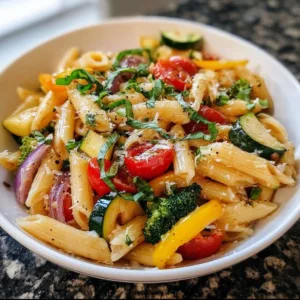
- 8 oz pasta (e.g., penne or spaghetti)
- 1 tablespoon olive oil
- 1 bell pepper, diced
- 1 zucchini, sliced
- 1 cup cherry tomatoes, halved
- 1 cup broccoli florets
- 2 cloves garlic, minced
- 1 teaspoon dried oregano
- Salt and pepper to taste
- Parmesan cheese (optional)
- Fresh basil for garnish (optional)
Savvy Ingredient Swaps and Tips
- Pasta : Use whole wheat or gluten-free pasta if you prefer; cook time may vary. Look for firm noodles that hold up to tossing so they do not go mushy.
- Olive oil : Extra virgin offers the best flavor; substitute avocado oil if needed. Heat gently to avoid smoking and losing nuanced taste.
- Bell pepper : Red or yellow peppers are sweeter; green has a peppery bite. Dice uniformly so they cook evenly with the other vegetables.
- Zucchini : Choose firm, glossy zucchini without soft spots; slice about a quarter inch thick. Thicker slices keep their shape during sautéing.
- Cherry tomatoes : Ripe, fragrant tomatoes add bright acidity and a pop of juice; plum tomatoes can work chopped. Halving lets them blister and release sweet flavor.
- Broccoli florets : Small florets cook faster and more evenly; blanch if you want brighter green and quicker cooking. Fresh is best, but frozen florets can be used—thaw and drain excess water.
- Garlic : Fresh minced garlic gives the most aromatic punch; save pre-minced for convenience but watch for preservatives. Add late in cooking to avoid bitterness.
- Parmesan cheese : Adds savory depth; use a vegetarian-friendly hard cheese if avoiding animal rennet. Add just before serving so it melts softly into the pasta.
Step-by-Step Cooking Roadmap
- Cook the pasta according to package instructions until al dente. Drain and set aside.
- In a large sauté pan, heat olive oil over medium heat.
- Add the bell pepper, zucchini, broccoli, and cherry tomatoes. Sauté for about 5-7 minutes, until the veggies are tender.
- Add minced garlic and oregano, and cook for an additional 1-2 minutes, stirring frequently.
- Toss in the cooked pasta and mix well. Season with salt and pepper to taste.
- Serve warm, garnished with Parmesan cheese and fresh basil if desired.
Technique notes: Aim for al dente pasta so it retains bite after tossing with warm vegetables. Keep heat at medium to medium-high so vegetables blister slightly without burning. Reserve a few tablespoons of pasta water before draining; add a splash when tossing to loosen the sauce and help flavors cling to the pasta.
Pro Cooking Notes and Timing
- Control your pan temperature: Medium heat gives a chance for vegetables to soften and caramelize slightly without losing vibrant color. If the pan gets too hot, reduce the heat and stir more frequently to prevent charring.
- Layer flavors by timing additions: Add firmer vegetables like broccoli first, then peppers and zucchini, and finish with tomatoes and garlic. This creates varied textures and bright bursts of flavor in every bite.
- Use pasta water for cohesion: A spoonful of starchy pasta water added while tossing forms a light emulsion that helps oil and seasonings coat the noodles. It is a simple trick to make the dish feel more cohesive and silky.
- Finish with fresh herbs and acid: Fresh basil and a squeeze of lemon brighten the plate at the end; add them just before serving to keep herbs vibrant. A light sprinkle of cheese adds savory depth if desired.
Creative Twists and Variations
- Vegan option: Skip the Parmesan and boost umami with a splash of soy sauce or nutritional yeast. Add toasted pine nuts for texture and a rich, nutty finish.
- Keep it mild: For a family-friendly version, use sweet peppers and omit any chili or strong spices. A pat of butter or a drizzle of cream at the end can make it extra comforting for picky eaters.
- Add some heat: Toss in red pepper flakes or a sliced hot pepper with the garlic for a spicy kick. Finish with a squeeze of lime to balance the heat and lift flavors.
- Regional twist: Stir in roasted corn and smoked paprika for a Southwestern vibe, or add olives, capers, and a squeeze of lemon for a Mediterranean spin. These small changes transport the basic pasta into new flavor zones.
Perfect Side Dishes and Drinks
- Side salad: A crisp arugula salad with lemon vinaigrette complements the warm pasta and adds a peppery counterpoint. Thinly sliced fennel or cucumber keeps the pairing light and refreshing.
- Bread: Serve with crusty bread or garlic toast to sop up any remaining juices and make the meal heartier. Butter and herbs toasted on the side add warmth and comfort.
- Drink pairing: A chilled sparkling water with lemon or a light iced tea pairs beautifully with this fresh pasta. For a nonalcoholic special touch, try a citrus spritzer or a herbal iced infusion.
- Dessert idea: Follow with a simple fruit crisp or lemon posset to continue the bright, fresh theme. Light desserts balance the savory main and leave diners satisfied but not heavy.
Prep Ahead and Freezing Guide
- Prep: Chop vegetables and store them in airtight containers for up to two days in the refrigerator. Mince garlic fresh on the day you cook for the best flavor.
- Store raw components: Keep pasta dry until cooking; cooked pasta can be tossed with a touch of oil and chilled for up to 2 days. Reheat with a splash of water or stock to revive texture.
- Freezing: Cooked Primavera is not ideal for long-term freezing because vegetables soften; if necessary, freeze portions without cheese in airtight containers for up to one month. Thaw slowly in the refrigerator before reheating gently on the stove.
- Reheating: Warm gently over low heat on the stovetop, adding a small amount of water or stock to prevent drying. Microwave reheating works in a pinch; stir halfway through and add a tablespoon of liquid if needed to restore creaminess.
Plating Ideas for Comfort
- Layer textures: Twirl a portion of pasta into a neat nest on pre-warmed plates, spooning vegetables over the top so colors show. Garnish with torn basil leaves for a fresh, aromatic finish.
- Family-style: Serve in a shallow, wide bowl at the center of the table with extra cheese and herbs on the side for casual sharing. The communal presentation encourages passing plates and conversation.
- Cozy ambiance: Use warm-toned plates and a soft candle to create an inviting feeling even on a simple weeknight. A lightweight bread basket and cloth napkins elevate the experience with minimal effort.
Hidden Kitchen Flavor Tricks
- Salt water like the sea: Generously salt the pasta cooking water to season the pasta from the inside out. Well-seasoned pasta brings out all the subtleties of the vegetables and herbs.
- Let tomatoes blister: High heat for a brief moment concentrates flavor and adds sweet, smoky notes. This technique turns ordinary cherry tomatoes into pockets of savory sweetness.
- Finish off heat: Add delicate herbs and cheese off the heat to preserve aroma and texture. Residual pan heat melts cheese gently without turning it greasy.
- Brightness boost: A small splash of vinegar or a squeeze of citrus right before serving wakes up the dish and balances richness. Keep the acid light so it enhances rather than overwhelms.
Keeping It Fresh Later
- Microwave reheating: Cover the dish loosely and heat in short intervals, stirring between bursts and adding a teaspoon of water if needed. This helps prevent the pasta from drying out or becoming rubbery.
- Stovetop revival: Rewarm gently in a sauté pan over low heat with a splash of stock or water to recreate a saucy texture. Toss frequently and finish with fresh herbs to restore brightness.
- Texture preservation: Avoid overcooking vegetables initially; slightly undercooked veggies will hold up better when reheated. If freezing, use denser vegetables and consider freezing components separately.
Common Questions Answered
Can I use any type of pasta for this recipe?
Yes, most pasta shapes work well; penne, fusilli, or spaghetti are excellent choices because they hold sauce and bits of vegetables. Choose shapes that please your eye and match the texture you enjoy. Adjust cooking time to the package instructions.
How can I make this recipe gluten-free?
Select a gluten-free pasta made from rice, corn, or legumes and follow the package directions for al dente. Some gluten-free pastas can become softer after tossing, so slightly undercook them by a minute and use reserved pasta water to adjust texture.
Is it okay to use frozen vegetables?
Frozen vegetables can be used in a pinch but may release more water when cooked, which can dilute flavors. Thaw and drain frozen veggies and add them toward the end of sautéing to prevent overcooking and sogginess.
Can I prepare this dish ahead of time for guests?
Prep vegetables and cook pasta ahead, storing them separately in airtight containers for up to two days. Reheat quickly on the stovetop, toss together with a splash of pasta water, and finish with fresh herbs right before serving.
How do I keep the vegetables bright and not mushy?
Cook over medium heat and avoid overcrowding the pan; high heat helps to sear and crisp while a short cooking time keeps them tender-crisp. Cut vegetables into even pieces so they finish cooking at the same time.
What can I use instead of Parmesan if I want a dairy-free version?
Nutritional yeast provides a savory, cheesy flavor for dairy-free diets, or use a sprinkle of toasted breadcrumbs and a drizzle of olive oil for richness. Another option is a store-bought dairy-free grated cheese that melts mildly.
Nutrition Info
- Serving Size: about 1 to 1.5 cups
- Calories: approx. 380 kcal
- Protein: 12 g
- Carbs: 58 g
- Fat: 10 g
- Fiber: 6 g
- Sugar: 6 g
Nutrition facts are estimates and may vary.
A Note from the Kitchen
Cooking Vegetarian Pasta Primavera is a small ritual that stitches seasonality and togetherness into the week. It honors the simple idea that bright vegetables, a pot of boiling water, and a little olive oil can produce something meaningful. This dish is meant to be shared around a table where conversation flows and plates are passed. It celebrates resourcefulness, the comfort of familiar flavors, and the joy of inviting others to taste a homey, nourishing meal.
Stir, Serve, Share
Vegetarian Pasta Primavera is an invitation to enjoy simple, delicious food that celebrates fresh produce and easy techniques. Try it, tweak it, and pin it for a quick weeknight dinner or a sunlit lunch. Share your tweaks and photos with friends and enjoy the warmth that a colorful, homemade meal brings to any table.
Print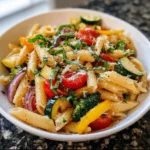
Vegetarian Pasta Primavera
- Total Time: 22 minutes
- Yield: 2-3 servings 1x
- Diet: Vegetarian
Description
A vibrant and comforting pasta dish loaded with fresh spring vegetables, perfect for weeknight dinners.
Ingredients
- 8 oz pasta (e.g., penne or spaghetti)
- 1 tablespoon olive oil
- 1 bell pepper, diced
- 1 zucchini, sliced
- 1 cup cherry tomatoes, halved
- 1 cup broccoli florets
- 2 cloves garlic, minced
- 1 teaspoon dried oregano
- Salt and pepper to taste
- Parmesan cheese (optional)
- Fresh basil for garnish (optional)
Instructions
- Cook the pasta according to package instructions until al dente. Drain and set aside.
- In a large sauté pan, heat olive oil over medium heat.
- Add the bell pepper, zucchini, broccoli, and cherry tomatoes. Sauté for about 5-7 minutes, until the veggies are tender.
- Add minced garlic and oregano, and cook for an additional 1-2 minutes, stirring frequently.
- Toss in the cooked pasta and mix well. Season with salt and pepper to taste.
- Serve warm, garnished with Parmesan cheese and fresh basil if desired.
Notes
Aim for al dente pasta to retain bite. Reserve some pasta water before draining to help loosen the sauce when tossing.
- Prep Time: 10 minutes
- Cook Time: 12 minutes
- Category: Main Course
- Method: Sautéing
- Cuisine: Italian
Nutrition
- Serving Size: 1-1.5 cups
- Calories: 380
- Sugar: 6g
- Sodium: 400mg
- Fat: 10g
- Saturated Fat: 1.5g
- Unsaturated Fat: 8g
- Trans Fat: 0g
- Carbohydrates: 58g
- Fiber: 6g
- Protein: 12g
- Cholesterol: 0mg