Easy Roasted Cauliflower Chickpea Dinner Plate You’ll Love
Crispy Cauliflower Chickpea Feast
INTRODUCTION
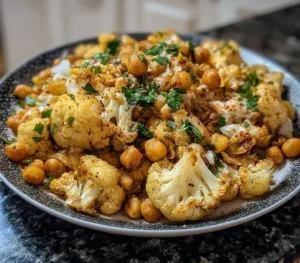
Hola! Imagining the warm smells of roasted spices and citrus brightening a weeknight, this Roasted Cauliflower Chickpea Dinner Plate feels like a hug on a plate, comforting and lively all at once. The Roasted Cauliflower Chickpea Dinner Plate combines caramelized florets and nutty chickpeas with smoky paprika and lemon for a dish that tastes like celebration and simplicity in the same bite. For busy evenings when you want flavor without fuss, the Roasted Cauliflower Chickpea Dinner Plate is forgiving, fast, and wildly satisfying, and you might also enjoy this collection of easy chicken dinners for other weeknight ideas. The Roasted Cauliflower Chickpea Dinner Plate is versatile enough for company and cozy enough for solo dinners.
Why This Plate Wins Hearts
- Deep, rooted flavor: The roasted cauliflower takes on a sweet, nutty caramelization that pairs perfectly with the earthy chickpeas, giving each bite layers of savory satisfaction. This is a dish where simple seasonings shine and feel like a celebration.
- Quick and easy process: Tossing florets and chickpeas with olive oil and spices then roasting takes little active time, which makes this recipe ideal for busy schedules. Most of the work happens in the oven so you can prep a salad or set the table while it cooks.
- Crowd-friendly option: Every part of the plate is customizable so it can feed picky eaters and adventurous diners alike, whether plated as a main or part of a mezze spread. It’s easy to scale up for friends or keep cozy for two.
- Seasonal comfort: This dinner sings in cooler months when roasted vegetables feel like a treat, but it also brightens spring and summer with a squeeze of lemon and fresh herbs. The balance of warm spices and fresh parsley makes it an all-year recipe.
Pantry and Produce Checklist
- 1 large head Cauliflower florets (choose fresh, firm heads)
- 1 can Canned chickpeas (drain and rinse well)
- 2 tablespoons Olive oil (use extra virgin for best flavor)
- 1 teaspoon Smoked paprika
- 1 teaspoon Ground cumin
- 1 teaspoon Garlic powder
- to taste Salt and black pepper (for balancing flavors)
- 2 tablespoons Fresh lemon juice (a squeeze brightens the dish)
- 1/4 cup Fresh parsley or cilantro (chopped)
- 1/2 cup Greek yogurt or tahini sauce (optional topping)
Smart Ingredient Notes
- Cauliflower : Choose a head that feels heavy for its size and has tight, pale florets with no dark spots; dense heads roast to tender, sweet edges. Swap with broccoli for a firmer texture and a slightly different flavor profile.
- Canned chickpeas : Rinsing removes excess sodium and improves texture so they crisp in the oven rather than steam. For extra crunch, pat them dry and roast a little longer; for creamier results, mash a few and fold them into the plate.
- Olive oil : Extra virgin gives fragrant, fruity notes that complement spices; use about two tablespoons to coat evenly. For a richer finish, a splash of high-heat avocado oil works fine if you plan very high roasting temperatures.
- Smoked paprika, cumin, garlic powder : These pantry spices bring warmth and a subtle smokiness without heat; adjust amounts if you prefer milder or bolder flavors. Fresh minced garlic can be mixed in after roasting for a brighter, pungent pop.
- Lemon juice and herbs : Fresh lemon juice adds lift and balances the roasted depth, while parsley or cilantro brings a fresh, herbal finish. If you prefer creamier toppings, swap the yogurt for tahini sauce to add a nutty, velvety element.
Step-by-Step Roast and Assemble
- How to Make Roasted Cauliflower Chickpea Dinner Plate: Preheat oven to 425°F (220°C). Line a large baking sheet with parchment or a light layer of oil to prevent sticking.
- Prepare the cauliflower and chickpeas by cutting the cauliflower into bite-sized florets and draining and rinsing the chickpeas; pat both dry. Drying ensures the vegetables roast instead of steam and helps the chickpeas crisp.
- Toss florets and chickpeas in a large bowl with olive oil, smoked paprika, cumin, garlic powder, salt, and black pepper until evenly coated. Make sure the coating is even so every piece browns and develops flavor.
- Spread the cauliflower and chickpeas in a single layer on the prepared sheet, leaving a little space between pieces for air circulation. Crowding prevents proper caramelization.
- Roast for 25 to 30 minutes, turning once halfway through so the florets develop golden edges and the chickpeas crisp up; check earlier if your oven runs hot. Use a metal spatula to flip gently so florets keep their shape.
- When finished, remove from oven and immediately squeeze fresh lemon juice over everything and sprinkle with chopped parsley or cilantro. The acid brightens the roasted notes and wakes up the flavors.
- Serve warm with dollops of Greek yogurt or a drizzle of tahini sauce, season again if needed, and plate with your chosen sides. Technique note: if you want extra char, broil for 1 to 2 minutes while watching closely.
Pro Moves for Perfect Roast
- Temperature control matters: Roasting at 425°F encourages browning without drying the interior, so resist the urge to lower the heat for a faster result. A hotter roast seals exterior sugars quickly, creating that craveable caramelization.
- Uniform pieces equal even cooking: Cut cauliflower florets into similar sizes so they finish at the same time; tiny pieces can burn while larger ones stay underdone. If some florets are much larger, halve or quarter them for consistency.
- Texture contrasts create interest: Crisp chickpeas against tender cauliflower make each forkful interesting, so dry chickpeas well and roast until they emit an audible crunch. If chickpeas still feel soft, roast them separately on another tray slightly longer.
- Layer seasoning for depth: Season before roasting and finish with lemon and fresh herbs to build bright, layered flavors that taste complex despite simple technique.
Flavor Twists to Try
- Vegan and creamy: Swap Greek yogurt for tahini sauce and omit dairy to make a fully plant-based plate that still feels indulgent. Toasted sesame seeds and a splash of pomegranate molasses add depth and sweet tang.
- Mild and family-friendly: Reduce smoked paprika and omit extra hot spices, using only cumin and garlic powder, so kids and sensitive palates can enjoy the mellow, nutty cauliflower flavor. Serve with warm pita and a mild yogurt dip for dipping.
- Spicy and smoky: Add a pinch of cayenne or smoked chili flakes to the spice mix, and finish with a drizzle of harissa or hot honey for a beautiful spicy-sweet finish. Balance the heat with a cooling spoonful of yogurt or cucumber salad.
- Regional inspiration: Give it Mediterranean vibes with olives, roasted red peppers, and a sprinkling of feta, or add zaatar and sumac for a Levantine twist. Each tweak transports the dish to different tables while keeping the core roast intact.
What To Serve Alongside
- Sides: A simple arugula salad with lemon vinaigrette or warm couscous tossed with toasted almonds complements the roasted notes. Grains like quinoa or brown rice soak up juices and turn this into a hearty bowl.
- Drinks: A bright, citrusy iced tea or sparkling water with lemon pairs well; for nonalcoholic adult options try a pomegranate spritzer. The idea is to pick a drink that refreshes the palate without overpowering spices.
- Dessert ideas: Finish with a light citrus sorbet or cinnamon-scented baked apples to keep the meal feeling balanced and not too heavy. A small piece of dark chocolate is also a simple, satisfying end.
Prep Ahead and Saving Tricks
- Prep: Trim and cut cauliflower the day before and store in an airtight container to speed evening assembly; drain chickpeas and keep them in the fridge for up to 24 hours. Pre-mix spices in a jar so everything is ready for a quick toss.
- Store: Refrigerate leftovers in a sealed container for up to 4 days; lemon and herbs are best added fresh when reheating. If planning to eat on day two, consider dressing with sauce just before serving to preserve texture.
- Freeze: Blanched cauliflower can be frozen, but roasted cauliflower loses some texture after freezing and reheating; chickpeas freeze well but may soften. For best results, freeze components separately and re-roast or pan-fry to refresh texture.
- Reheat: Use the oven or an air fryer to re-crisp rather than microwaving if you care about texture; a quick 8 to 10 minutes at 375°F refreshes roasted edges.
How To Plate for Comfort
- Layering technique: Start with a bed of grains or greens, pile the roasted cauliflower and chickpeas artfully, and finish with dollops of yogurt or drizzles of tahini. Scatter fresh herbs and a lemon wedge to invite squeezing at the table.
- Visual cues: Aim for contrast in color and height; golden florets against green parsley pop on white plates and look homey yet polished. Use a shallow bowl for a cozy, approachable presentation that is Pinterest-friendly.
- Cozy vibes: Serve with warm flatbreads and shareable bowls so everyone can assemble their own plate—comfort comes from the ritual as much as the flavors. Soft napkins, a small candle, and family-style serving make simple dinners feel special.
Little Kitchen Know-How
- Resting matters: Letting roasted vegetables rest a couple of minutes off the heat allows flavors to settle and juices to redistribute for better texture. A brief rest also makes plating easier and safer.
- Crunch rescue: If chickpeas lose their crunch, toss them in a hot skillet for a few minutes with a teaspoon of oil to revive their texture. Similarly, a quick broil will reintroduce char if roasting alone didn’t achieve enough color.
- Brighten with acid: A final splash of lemon juice or a few grinds of black pepper can transform a flat dish into something lively. Taste at the end and adjust; roasting deepens flavors but acid and herbs bring them to life.
- Keep tools handy: A large bowl for tossing, a heavy baking sheet for even heat, and a metal spatula make this recipe easy and satisfying to execute. Sharp knives for uniform cuts speed prep and improve presentation.
Keeping Texture and Flavors
- Microwave + stovetop: Microwave gently for quick reheating, then transfer to a hot skillet to restore crispness; avoid long microwave bursts that make florets soggy. On the stovetop, use medium-high heat and a bit of oil to refresh color and texture.
- Texture preservation: Store components separately when possible and add sauces just before serving to keep everything crisp and bright. If you must mix, use airtight containers and re-crisp in the oven.
Common Questions Answered
Can I make this recipe gluten free?
Yes, this recipe is naturally gluten free when served without grains containing gluten; pair it with quinoa, rice, or a gluten free flatbread. Double-check any store-bought sauces or toppings for hidden gluten-containing ingredients.
Is this dish protein-rich enough for a vegetarian main?
Chickpeas offer a good amount of plant protein and pair well with Greek yogurt or tahini for added protein and creaminess. If you want more protein, serve over a bed of lentils or add roasted tempeh slices.
How long do leftovers keep in the fridge?
Stored in an airtight container, leftovers will keep for about four days; reheat using the oven or a skillet to maintain texture. For best flavor, add fresh herbs and lemon after reheating.
Can I roast this at a lower temperature if I do not have a hot oven?
You can roast at slightly lower temperatures but expect longer cooking times and less caramelization, which affects flavor. To compensate, increase cooking time and consider a finishing broil to develop color.
Are there nut-free alternatives to tahini?
Yes, Greek yogurt is a creamy, nut-free alternative that pairs beautifully and adds a tangy contrast. For a nutty flavor without sesame, try a sunflower seed butter thinned with water, lemon, and salt.
How do I make the chickpeas extra crispy?
Pat them thoroughly dry, toss with a bit of oil, and roast on a separate tray with space around each bean; shaking or turning halfway through encourages even crisping. For an extra finish, briefly broil while watching closely.
Nutrition Info
- Serving Size: About 1 plate (varies by portion)
- Calories: ~320 kcal
- Protein: 12 g
- Carbs: 32 g
- Fat: 16 g
- Fiber: 10 g
- Sugar: 5 g
Nutrition facts are estimates and may vary.
A Note from the Kitchen Heart
There is something quietly joyful about turning humble ingredients into a shared meal that feels both nourishing and special. This Roasted Cauliflower Chickpea Dinner Plate is one of those dishes that welcomes everyone to the table; it pulls on memories of simple family gatherings and the small rituals that make dinners meaningful. Cooking it is an act of community, whether plated for one or for many, and the blend of textures and bright herbs always seems to spark conversation and satisfaction.
Takeaway and Pin It
If you want a weeknight dinner that is flavorful, fast, and flexible, the Roasted Cauliflower Chickpea Dinner Plate fits the bill—invite it into your rotation, tweak it to your tastes, and be sure to pin and share it with friends. Try the recipe, tweak the spices, and let this plate become one of your cozy, reliable favorites.
Print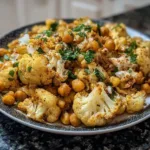
Roasted Cauliflower Chickpea Dinner Plate
- Total Time: 45 minutes
- Yield: 4 servings 1x
- Diet: Vegan
Description
A comforting and lively roasted cauliflower and chickpea dinner plate enhanced with spices and lemon.
Ingredients
- 1 large head Cauliflower florets
- 1 can Canned chickpeas, drained and rinsed
- 2 tablespoons Olive oil, extra virgin
- 1 teaspoon Smoked paprika
- 1 teaspoon Ground cumin
- 1 teaspoon Garlic powder
- Salt and black pepper, to taste
- 2 tablespoons Fresh lemon juice
- 1/4 cup Fresh parsley or cilantro, chopped
- 1/2 cup Greek yogurt or tahini sauce, optional for topping
Instructions
- Preheat oven to 425°F (220°C). Line a baking sheet with parchment or oil.
- Prepare the cauliflower by cutting into bite-sized florets and draining the chickpeas; pat both dry.
- Toss cauliflower and chickpeas in a bowl with olive oil and spices until evenly coated.
- Spread the mixture on the baking sheet in a single layer, leaving space for air circulation.
- Roast for 25 to 30 minutes, turning halfway through.
- Remove from oven and immediately squeeze fresh lemon juice on top and sprinkle with herbs.
- Serve warm with optional toppings and chosen sides.
Notes
For extra char, broil for 1-2 minutes while watching closely.
- Prep Time: 15 minutes
- Cook Time: 30 minutes
- Category: Main Course
- Method: Roasting
- Cuisine: Mediterranean
Nutrition
- Serving Size: 1 serving
- Calories: 320
- Sugar: 5g
- Sodium: 300mg
- Fat: 16g
- Saturated Fat: 2g
- Unsaturated Fat: 10g
- Trans Fat: 0g
- Carbohydrates: 32g
- Fiber: 10g
- Protein: 12g
- Cholesterol: 0mg