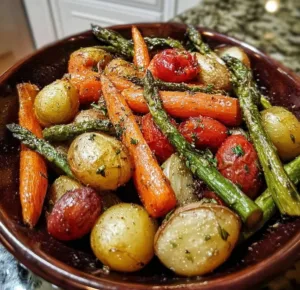
Easy Easter Roasted Spring Vegetable Medley That Bursts with Flavor
Bright Spring Roasted Feast
INTRODUCTION
Growing up with a love for bold, soulful cooking, the kitchen was where comfort and stories met. My heart still leans toward markets and family cooking, and memory shaped how I create an Easy Easter Roasted Spring Vegetable Medley. This Easy Easter Roasted Spring Vegetable Medley captures warmth, color, and simple spice in every bite, turning small moments into a feast. The Easy Easter Roasted Spring Vegetable Medley is about shared plates, fragrant thyme, and garlic that smells like home. For a comforting main to pair, try this creamy vegetable lasagna recipe alongside the medley. It makes gatherings cozier.
Quick Recipe Overview
- Prep Time: 10 minutes | Cook Time: 18–22 minutes | Total Time: 28–32 minutes | Servings: 4
- Difficulty: Easy | Cuisine: Spring-inspired, family-friendly | Best Season: Spring
Reasons you will adore this medley
- Vibrant flavor and color. Each vegetable caramelizes slightly in the oven, creating bright, layered flavors and a palette that looks like a spring garden on your plate.
- Simple and forgiving technique. Toss, roast, and finish — the method is friendly for cooks at every level and it comes together quickly on busy holiday tables.
- Perfect for gatherings and weeknights. It dresses up for a holiday table yet scales down easily for a cozy weeknight side, blending festive and everyday cooking.
- Fresh herbs and garlic for aroma. The thyme and garlic sing without overpowering, offering an herbaceous lift that makes each bite feel intentional and homey.
- Light, crowd-pleasing texture. Tender-crisp asparagus and snap peas contrast with sweet roasted carrots, delivering a satisfying mix that appeals to many palates.
Simple pantry details and ingredient list
- 1 bunch Asparagus spears (choose tender, fresh stalks)
- 2 cups Baby carrots (small and sweet)
- 1 cup Snap peas (leave them whole)
- 1 cup Cherry tomatoes (optional)
- 2 tablespoons Extra virgin olive oil (for roasting)
- 1 teaspoon Fresh thyme (chopped)
- 2 cloves Garlic cloves (minced)
- 1 teaspoon Sea salt
- 1/2 teaspoon Freshly ground black pepper
Ingredient swap notes and freshness cues
- Asparagus : Choose firm stalks that snap near the base; if woody at the bottom, peel the lower third for tenderness.
- Baby carrots : Swap with small finger carrots or halved regular carrots if needed; look for bright color and give them a gentle bend to check freshness.
- Snap peas : Substitute blanched green beans or sugar snap peas; they should be crisp, bright, and not limp for the best crunch.
- Cherry tomatoes : Omit for a drier roast or swap with halved grape tomatoes; ripeness adds sweetness and a pop of juice when they burst.
- Extra virgin olive oil : Use any neutral oil in a pinch, but olive oil gives a fragrant, rounded roast that complements thyme nicely.
Step-by-step roasting preparation
- Preheat the oven to 425 degrees F (220 C) to ensure quick, even caramelization for vegetables. Technique note: a hot oven encourages a light browning without turning the veggies mushy.
- Trim the asparagus ends and, if carrots are larger, halve them lengthwise so pieces are uniform for even cooking. Technique note: matching sizes prevents overcooking some pieces while others remain firm.
- In a large bowl, toss asparagus, baby carrots, snap peas, and cherry tomatoes with olive oil, minced garlic, chopped thyme, sea salt, and black pepper until evenly coated. Technique note: oil and seasoning form a thin protective layer that focuses heat and flavor around each piece.
- Spread the vegetables on a rimmed baking sheet in a single layer with space between pieces for airflow; crowded pans steam instead of roast. Technique note: if necessary, use two pans to preserve crisp edges.
- Roast for 10 minutes, then gently stir or shake the pan for even browning, return to oven and roast another 8–12 minutes until asparagus is tender and carrots have caramelized edges. Technique note: keep an eye during the final minutes to avoid over-browning the snap peas.
- Finish with a quick sprinkle of flaky salt or an extra drizzle of olive oil just before serving to highlight textures and flavors. Technique note: resting the veggies a minute or two off the heat lets flavors settle and makes plating easier.
Seasonal pro pointers from the oven
- Control the texture by timing. Shorter roast time yields crisp-tender vegetables while longer roasting deepens caramelization and softens textures; adjust to preference and serving needs.
- Use high heat and space the vegetables. A hot oven and room on the sheet produce better browning and a more complex roasted flavor than overcrowding.
- Layer garlic carefully. Minced garlic roasted too long can brown quickly and taste bitter; toss garlic with vegetables right before popping into the oven or use whole cloves for a milder caramelized note.
- Finish with acid or herb brightness. A squeeze of lemon juice or a scatter of freshly chopped parsley after roasting wakes up flavors and balances the oil.
Fun variations to match diets and moods
- Vegan bright and herby: Keep this medley plant-based by adding a sprinkle of toasted pine nuts for crunch and a drizzle of balsamic glaze for sweetness; the dish remains naturally vegan and vibrant.
- Mild and family-friendly: Swap thyme for chopped parsley and reduce black pepper to 1/4 teaspoon to create a gentler profile that kids and sensitive palates enjoy.
- Spicy roast twist: Toss in a pinch of crushed red pepper flakes or a drizzle of chili oil before roasting for a warm, lingering heat that plays nicely with sweet carrots and tomatoes.
- Regional flair: Add a teaspoon of smoked paprika and finish with chopped cilantro for a smoky-sunny twist that hints at regional barbecue or Latin-inspired sides.
Pairing suggestions to build a meal
- Sides: Serve alongside roasted new potatoes, a simple herbed quinoa, or a lemony couscous to round out textures and bulk.
- Drinks: Pair with a crisp sparkling water with lemon or a bright white wine substitute like chilled pomegranate spritzer to echo the medley’s freshness.
- Dessert: Finish the meal with a light citrus tart or a yogurt and honey parfait to keep the springtime theme and avoid heavy endings.
How to prep ahead and reheat
- Prep: Trim and halve vegetables and store them in airtight containers in the refrigerator up to 24 hours before roasting to save time on busy days.
- Store: Cool completely then place leftovers in an airtight container and refrigerate up to 3 days for the best texture retention.
- Freeze: Roasted vegetables generally lose crispness when frozen; for long-term storage, blanch carrots and asparagus, freeze on a sheet, then transfer to bags and roast from frozen for best results.
- Reheat: Warm gently in a 350 degree F oven for 8–10 minutes or in a skillet over medium heat, stirring until heated; avoid microwave reheating which can make them soggy.
Styling and serving for cozy gatherings
- Plating: Arrange the vegetables on a warm platter with colors grouped for visual impact, tuck sprigs of thyme across the top, and finish with coarse salt for sparkle.
- Presentation: Use a shallow white or wooden dish to highlight bright greens and oranges; adding a lemon wedge on the side invites guests to add brightness.
- Cozy vibes: Serve family-style for hands-on sharing and pair with warm crusty bread, soft lighting, and a simple table runner to create a relaxed spring meal atmosphere.
Helpful kitchen secrets for better roasts
- Salt early, finish late. Season lightly before roasting and finish with flaky salt to refine the flavor layers and preserve moisture balance.
- Dry vegetables roast better. Pat vegetables dry after washing to avoid steaming and to encourage that desirable browning.
- Use a metal baking sheet. A heavy-duty metal pan conducts heat well for even roasting; avoid glass which can slow and alter browning timing.
- Rotate pans mid-roast. If using two pans, swap their positions halfway through to ensure even heat exposure and consistent caramelization.
Storage strategies to preserve texture
- Microwave + stovetop: For quick reheating, a brief 1-minute microwave burst restores warmth but can soften textures; for crunch retention, reheat in a skillet over medium heat with a splash of oil.
- Preserve texture: Add a small splash of olive oil when reheating in a skillet and toss gently to revive exterior sheen and prevent drying; avoid long, high-heat reheating which causes mushiness.
Common questions answered
How long will roasted vegetables stay fresh in the fridge?
Leftover roasted vegetables typically remain good for up to three days when stored in an airtight container in the refrigerator. Cooler storage slows bacterial growth but textures will gradually soften over time. Reheat gently on the stovetop to refresh the exterior and avoid microwaving for extended times.
Can I roast these vegetables on a grill instead of the oven?
Yes, a grill works beautifully; use a sturdy grill pan or skewers for smaller vegetables and grill over medium heat, turning occasionally until charred and tender. Grilling adds a smoky depth that pairs nicely with thyme and garlic. Watch closely as grill heat can be less even than an oven and may char faster.
Are cherry tomatoes necessary, or can I omit them?
Cherry tomatoes are optional and add juiciness and sweetness when they burst; omit them if you prefer a dryer texture. If omitted, consider adding a finishing squeeze of lemon or a dash of vinegar to brighten flavors. Tomatoes can be substituted with roasted bell pepper pieces for a different sweetness.
What is the best way to keep snap peas crisp?
For crisper snap peas, add them during the last 6 to 8 minutes of roasting so they retain some bite. Alternatively, briefly blanch them in boiling water, shock in ice, and toss with the other roasted vegetables just before serving. Overcooking snap peas makes them limp and reduces their bright flavor.
Can I double the recipe for a crowd?
Double the vegetables but roast on two separate pans rather than overcrowding one sheet to ensure even browning. Stagger pans in the oven or roast in batches, keeping finished pans warm at a low oven temperature until ready to serve. Crowded pans steam vegetables rather than roast them, which affects texture.
Is this dish suitable for vegetarian and vegan guests?
Yes, this medley is naturally vegetarian and can be vegan if you use plant-based oil and avoid any animal-based finishing toppings. It pairs well with grain or legume mains for a complete plant-forward meal.
Nutrition Info
- Serving Size: about 1 cup
- Calories: ~120 per serving
- Protein: 3 g
- Carbs: 12 g
- Fat: 7 g
- Fiber: 4 g
- Sugar: 6 g
Nutrition facts are estimates and may vary.
Heartfelt kitchen reflection
This medley celebrates the way simple ingredients can gather people around a table and start conversations. The marriage of tender asparagus, sweet baby carrots, and crisp snap peas is a small ritual that echoes family kitchens where flavor and warmth were lessons passed down. Sharing this dish is an invitation to slow down, to notice color and scent, and to enjoy the soft clatter of plates and laughter. It honors seasonal markets and the gentle pride that comes from serving something thoughtful, bright, and deeply comforting.
Final encouragement to cook and share
Give the Easy Easter Roasted Spring Vegetable Medley a try this season and let the oven do the magic while you set the table. Pin this recipe, share it with friends, and invite someone over to taste why simple roasted vegetables can feel like a celebration.
Print
Easy Easter Roasted Spring Vegetable Medley
- Total Time: 32 minutes
- Yield: 4 servings 1x
- Diet: Vegan
Description
A vibrant and flavorful roasted vegetable medley perfect for spring gatherings or cozy weeknight dinners.
Ingredients
- 1 bunch Asparagus spears
- 2 cups Baby carrots
- 1 cup Snap peas
- 1 cup Cherry tomatoes (optional)
- 2 tablespoons Extra virgin olive oil
- 1 teaspoon Fresh thyme (chopped)
- 2 cloves Garlic (minced)
- 1 teaspoon Sea salt
- 1/2 teaspoon Freshly ground black pepper
Instructions
- Preheat the oven to 425 degrees F (220 C).
- Trim the asparagus ends and halve larger carrots lengthwise.
- Toss asparagus, baby carrots, snap peas, and cherry tomatoes with olive oil, garlic, thyme, salt, and pepper.
- Spread the vegetables on a baking sheet in a single layer.
- Roast for 10 minutes, stir, and roast another 8–12 minutes until tender.
- Finish with a sprinkle of flaky salt or an extra drizzle of olive oil before serving.
Notes
This dish is easily adaptable for different dietary preferences and can be made ahead of time.
- Prep Time: 10 minutes
- Cook Time: 22 minutes
- Category: Side Dish
- Method: Roasting
- Cuisine: Spring-inspired, Family-friendly
Nutrition
- Serving Size: 1 serving
- Calories: 120
- Sugar: 6g
- Sodium: 400mg
- Fat: 7g
- Saturated Fat: 1g
- Unsaturated Fat: 5g
- Trans Fat: 0g
- Carbohydrates: 12g
- Fiber: 4g
- Protein: 3g
- Cholesterol: 0mg